

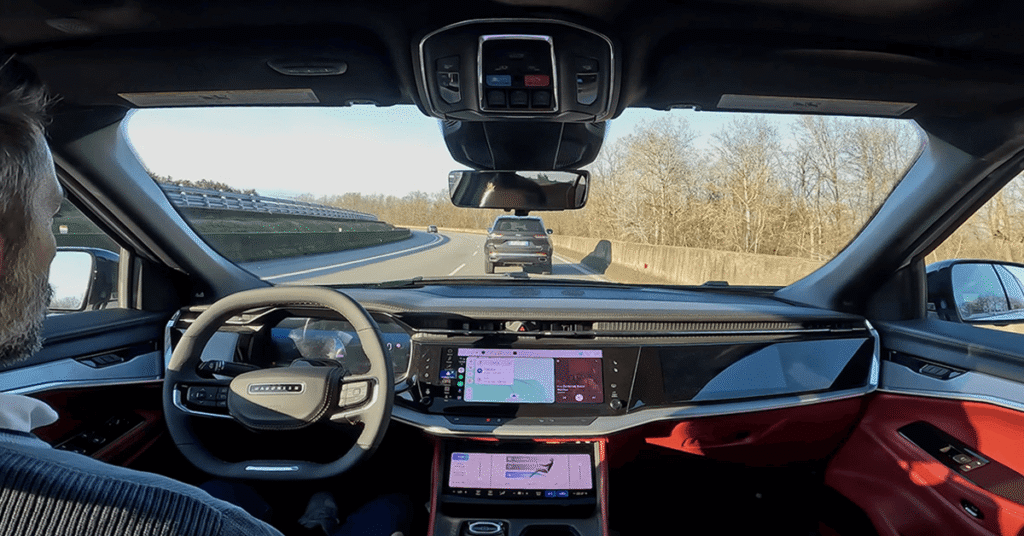
The Stellantis Level 3 cut has sent ripples through the automotive world in 2025. The automaker—home to brands like Jeep, Peugeot, and Chrysler—announced it is shelving its ambitious Level 3 driver-assist programs. Facing strategic realignment and mounting cost pressures, Stellantis is stepping back from the self-driving race it once touted as a core part of its future. But why the sudden shift, and what does it mean for the industry?
What Does “Level 3” Mean in Autonomous Driving?
To understand the Stellantis Level 3 cut, we need context.
- Level 2: Driver assistance (lane-keeping, adaptive cruise control). The driver must remain engaged.
- Level 3: Conditional automation where the car can handle driving in specific conditions (e.g., highways), but the driver must be ready to take over when alerted.
- Level 4 & 5: Fully autonomous driving with little to no human involvement.
Stellantis was working on Level 3 features to compete with rivals like Mercedes-Benz and BMW, who already offer limited Level 3 systems.

Why Did Stellantis Scrap Its Level 3 Program?
1. Cost Pressures
Advanced driver-assist R&D is expensive, requiring billions in sensor development, software validation, and regulatory testing. Stellantis is reallocating resources to EV development and core profitability.
2. Strategic Realignment
CEO Carlos Tavares has long emphasized profit discipline over chasing futuristic projects. Cutting Level 3 reflects Stellantis’ focus on short-to-mid-term returns rather than speculative tech.
3. Market Readiness Doubts
While tech enthusiasts are eager for autonomy, most consumers are still cautious. Uptake of Level 3 features has been slow even for Mercedes and Honda. Stellantis doesn’t want to pour resources into a market that isn’t ready.
How the Stellantis Level 3 Cut Compares to Rivals
| Automaker | Level 3 Status | Market Outlook |
|---|---|---|
| Mercedes-Benz | Level 3 Drive Pilot in Germany & U.S. | First-mover advantage but adoption slow |
| Honda | Limited Level 3 in Japan | Niche, regulatory hurdles |
| BMW | Testing Level 3 in Europe | Ongoing but costly |
| Stellantis | Canceled Level 3 program | Refocusing on EV & affordability |
The Stellantis move stands out as a complete retreat, while rivals continue to inch forward despite challenges.
Industry & Investor Impact
- For Investors: Stellantis signals discipline—prioritizing profitability over hype. Some see this as wise; others fear it leaves Stellantis behind in the autonomy race.
- For Regulators: The retreat raises questions about whether Level 3 is commercially viable in the near term.
- For Consumers: Stellantis drivers won’t see advanced hands-free highway driving soon, though basic safety features (Level 2) remain available.
Lessons from the Stellantis Decision
- Technology vs. Timing – Just because Level 3 is possible doesn’t mean it’s profitable now.
- EV First Strategy – Stellantis is betting electric cars, not autonomy, will define the next decade.
- Industry Reality Check – The dream of self-driving has cooled as real-world complexity and costs mount.
FAQ: Stellantis Level 3 Cut
Q1: Why did Stellantis cut its Level 3 driver-assist program?
Due to cost pressures, strategic focus on EVs, and limited consumer demand for Level 3 features.
Q2: Will Stellantis still offer driver-assist technology?
Yes, but limited to Level 2 features like adaptive cruise and lane-keeping.
Q3: How does this affect Stellantis’ competitors?
It highlights the risks rivals like Mercedes and BMW face in pursuing expensive Level 3 systems.
Q4: Is Stellantis abandoning autonomy entirely?
No—but it’s delaying significant investments until the technology proves more commercially viable.
Q5: What does this mean for drivers?
Stellantis customers won’t see advanced hands-free systems anytime soon, but they’ll benefit from improved EVs and affordability.
Conclusion
The Stellantis Level 3 cut marks a turning point in the automaker’s strategy. By shelving its advanced driver-assist ambitions, Stellantis is choosing financial prudence over prestige. While rivals push forward with Level 3 experiments, Stellantis is betting that EV affordability and operational efficiency will win in the long run.
For the auto industry, this decision is a sobering reminder that not every futuristic technology aligns with today’s market realities. For investors and consumers, it may mean Stellantis cars remain practical and cost-effective—even if they’re not the most futuristic.
Do you agree with Stellantis’ decision to cut Level 3 programs, or should they have stayed in the autonomy race? Share your take in the comments below. and stay connected with Glamezy
