

Social media has made things a little more interesting for smaller fashion and beauty brands. A small label doesn’t necessarily need a huge advertising budget or a celebrity campaign to get noticed anymore. Sometimes a good product, a recognisable style and content that actually feels like a person made it can go much further.
That’s probably one of the biggest changes happening across fashion and beauty right now. People are tired of seeing the same perfect campaign images everywhere. They want to see how something actually looks. How it fits. What the skin looks like in normal light. Whether somebody genuinely likes it after using it for a few weeks. And independent brands are making the most of that.
Stop Selling Just the Product
A dress is rarely just a dress. A skincare product isn’t always being bought simply because someone needs another moisturiser. There’s usually something else behind the purchase. A particular look. A lifestyle. A feeling. Sometimes even the idea of becoming a slightly different version of yourself. This is where smaller brands can do really well.
Instead of filling Instagram with product shots and “shop now” captions, a brand can build a whole world around the product. A beauty brand might show morning routines, bathroom shelves, getting-ready videos or simple skincare habits. A fashion brand might focus more on outfits, places, music and everyday styling. The product is still part of the content. It just doesn’t have to scream for attention every five seconds. That kind of content can feel much more natural.
Real People Make Better Content
There’s still a place for beautifully produced photography. Obviously. For a launch campaign, a new collection or a major seasonal push, polished photography makes sense. But social media doesn’t always reward the most polished version of a brand. Sometimes the slightly imperfect video wins.
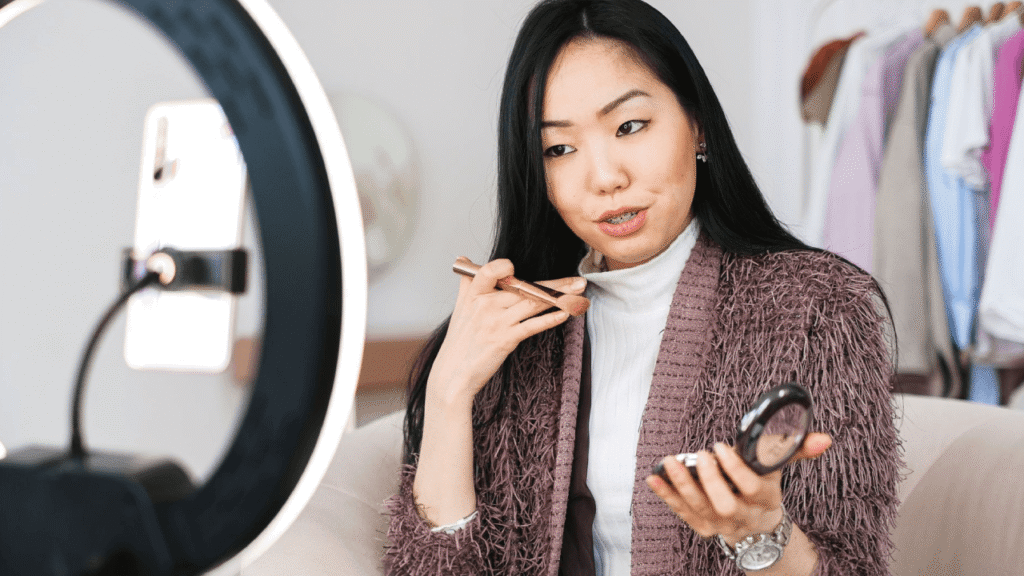
Someone applying foundation beside a window. A customer showing how a pair of trousers actually fits. A creator trying three different outfits with the same jacket. A quick video saying, “This looked completely different online, so here’s what it actually looks like.” That last type of content can be surprisingly powerful. Why? Because people can tell when something feels like an advert.
Customer reviews, creator recommendations and user-generated content have become a big part of how shoppers discover and evaluate products online. Social commerce research also continues to point towards short-form video and social recommendations as important parts of the buying journey. So no, every post doesn’t need perfect lighting. It needs to feel believable.
Smaller Creators Can Be the Better Choice
There’s a common mistake in influencer marketing: looking at the follower number first. A creator with 20,000 followers who talks almost exclusively about skincare may be far more valuable to a small beauty brand than somebody with two million followers whose audience is interested in completely different things.
The smaller creator may also have something more useful – trust. Their followers know what they normally talk about. They know what products they like. They notice when something feels forced. That’s why long-term creator relationships can make more sense than constantly buying one-off posts.
Instead of one influencer posting a product once and disappearing, a brand can work with a few relevant creators over several months. The product starts appearing naturally in different situations. And suddenly there’s a lot more content to work with. Some of it can go back onto social media. Some can be used in ads. Some can sit on product pages. Some might even work in email campaigns. One collaboration can create much more than one Instagram post.
Make Buying Easy
There’s another part of social media that smaller brands cannot really ignore now: people want to buy while they’re still interested. Someone sees a product on TikTok. They like it. They click. If they then have to search for the website, find the product, figure out which version they saw and go through a complicated checkout, there’s a good chance the moment is gone.
Social commerce is making that gap smaller. TikTok Shop, Instagram shopping features, Pinterest and creator links all help connect discovery with purchase. Shopify’s recent ecommerce research also highlights social commerce, personalised shopping and AI-assisted discovery as areas brands are increasingly paying attention to. But there’s a catch. Social media cannot fix a bad website. If the product page has poor images, confusing sizing, missing ingredients, weak reviews or a checkout that takes forever, sending more traffic will not solve the problem. It just gives more people a chance to leave.
That’s why the wider digital side matters too. A visually strong storefront is only the beginning. SEO, paid advertising, content and social media need to support each other. For brands competing in regional markets, a digital agency Cambridge can help bring those pieces together instead of running every channel separately.
Authentic Doesn’t Mean Random
There’s also a slightly annoying misunderstanding around “authenticity”. Authentic doesn’t mean posting whatever happens to be on someone’s phone that morning. There still needs to be a brand behind it. The strongest independent brands tend to have a very clear idea of who they are. The colours feel consistent. The creators make sense. The tone sounds familiar. Even when the content is casual, it still feels like the same brand. That matters even more now because AI has made it ridiculously easy to create polished captions, product images and generic marketing content.
The problem is that everyone can do it. A perfect image is no longer particularly interesting on its own. A real customer saying, “I bought this because…” can be much more useful. Recent ecommerce research shows shoppers are also using AI more during product research, while reviews, testimonials and other forms of human proof continue to influence purchasingecisions.
For independent fashion and beauty brands, the opportunity is pretty simple. Don’t try to look bigger than everyone else. Give people a reason to remember the brand. Show the product being used. Let customers talk about it. Work with creators who actually fit the audience. Make the buying process easy. And most importantly, stop trying to make every piece of content look like an advertisement. Social media is already full of those. The brands that stand out are usually the ones that feel a little more human.
