

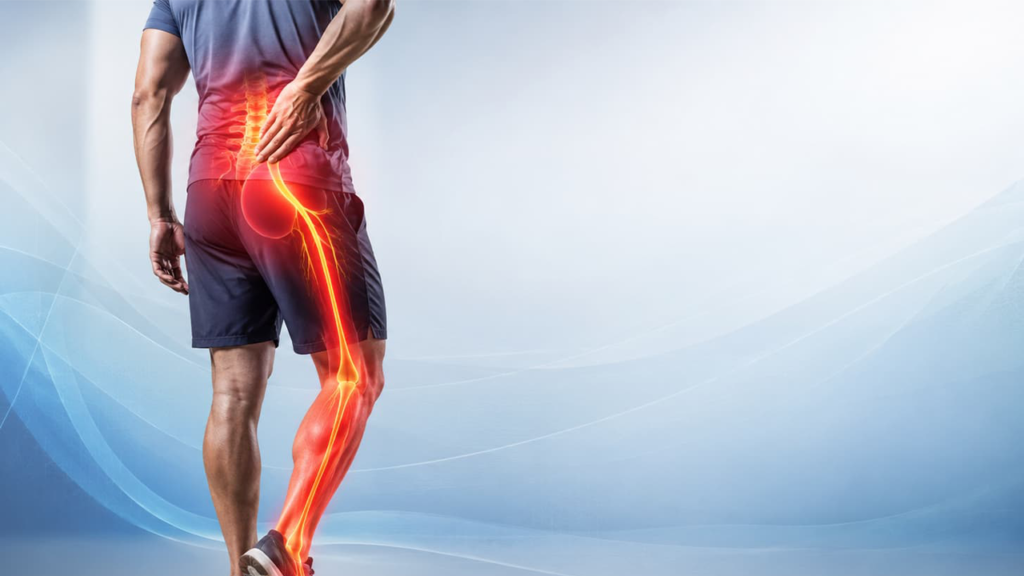
Lower back and hip pain can start quietly. A person may feel stiff getting out of bed, sore after sitting too long, or achy after a long drive. At first, it may seem like a muscle strain or a bad chair.
Then the pain starts changing. It moves into the buttock, thigh, calf, or foot. Walking feels harder. One leg feels heavy. Standing in line becomes uncomfortable. A person reading about lower back and hip pain together is often trying to figure out whether the pain is coming from the hip, the spine, or a nerve that is being irritated along the way.
Why lower back and hip pain can be hard to sort out
The lower back, pelvis, hips, and legs work together every time someone stands, walks, bends, or climbs stairs. Pain in one area can make another area work harder. That can blur the source.
A hip problem may feel like groin pain, outer hip pain, or pain that worsens when getting in and out of a car. A spine problem may start in the low back and travel down the leg. A sacroiliac joint problem can sit near the back of the pelvis and feel like both back pain and hip pain.
The location gives clues, but it does not always give the full answer.
Pain that travels below the hip deserves a closer look
Pain that stays around the lower back or outer hip may come from muscles, joints, tendons, bursae, or arthritis. Pain that travels into the leg raises a different set of questions.
Nerve-related pain may feel sharp, burning, electric, tingling, numb, or heavy. It may move along a path instead of staying in one sore spot. Some people feel weakness or notice that their foot catches the floor.
The leg symptoms can be more important than the back pain
Back pain can be mild while leg symptoms feel severe. That can happen when a nerve root is irritated or compressed. The person may not feel much pain in the spine itself, yet the leg keeps sending warning signals.
That is why a symptom pattern can be more useful than pain intensity. A clinician will often ask where the pain travels, what triggers it, what eases it, and whether strength or sensation has changed.
When walking makes the legs feel weak or heavy
Some spine-related pain shows up most clearly during walking. A person may start out fine, then develop leg heaviness, cramping, tingling, numbness, or weakness after a short distance. Sitting may bring relief. Leaning forward on a shopping cart may also make walking easier.
That pattern can point toward neurogenic claudication. It often happens when narrowed spaces in the lower spine crowd the nerves that travel into the legs.
A person looking up neurogenic claudication symptoms may already recognize the strange pattern of feeling better while sitting but worse while standing or walking.
Why leaning forward can ease symptoms
Leaning forward can open a bit more space in the lower spine for some people. That is why a person may walk farther while pushing a cart than while walking upright. The change in posture reduces pressure enough to calm symptoms for a while.
This does not prove the diagnosis by itself. Hip arthritis, circulation problems, neuropathy, and other conditions can also affect walking. The posture pattern is still a useful clue to bring to a medical visit.
Hip pain and spine pain can overlap
A hip joint problem can refer pain toward the thigh. A spine problem can send pain toward the hip. Muscle guarding can make both areas ache. When the body is trying to avoid pain, gait changes can add new strain.
That overlap is one reason self-diagnosis often fails. A person may stretch the hip for weeks when the main problem is nerve pressure in the lower back. Another person may blame the spine when the hip joint itself is causing the limp.
Clues that the hip may be involved
Hip-related pain often shows up in the groin, front of the thigh, outer hip, or deep buttock. It may worsen with stairs, putting on socks, getting out of a low chair, or rotating the leg.
Pain from hip arthritis may feel stiff at first, then loosen somewhat with gentle movement. Tendon or bursa pain may be tender on the outside of the hip, especially when lying on that side.
Clues that the spine may be involved
Spine-related pain often changes with posture. Sitting, standing, bending, coughing, or walking may alter the symptoms. Pain may travel below the knee. Numbness, tingling, or weakness may appear in the leg or foot.
If the symptoms are tied to walking distance and ease with sitting, the spine should stay high on the list of possible sources.
When to stop waiting it out
A short episode of soreness after activity may improve with time, movement changes, and basic self-care. Pain that keeps spreading, returns during walking, or affects strength should not be ignored.
Call a healthcare professional when pain lasts more than a short spell, keeps coming back, or limits normal walking. It is also wise to call when pain travels into the leg or comes with numbness, tingling, or weakness.
Seek urgent care for loss of bladder or bowel control, numbness in the groin or saddle area, sudden major weakness, fever, recent trauma, unexplained weight loss, or pain that becomes severe and unrelenting.
What a medical visit may include
A clinician will usually begin with the story of the pain. They may ask when it began, where it travels, whether standing or walking changes it, and what brings relief.
The exam may check walking, balance, hip motion, reflexes, leg strength, sensation, and movements that reproduce symptoms. That exam can help separate hip, spine, nerve, and circulation patterns.
Imaging may be needed in some cases, but not every back or hip pain episode needs a scan on day one. The decision depends on symptoms, exam findings, duration, age, health history, and red flags.
Treatment depends on the source
Treatment for lower back, hip, and leg pain should match the cause. A hip tendon problem is not treated the same way as nerve compression from spinal stenosis. A circulation problem needs a different path from a disc-related nerve flare.
Conservative care may include physical therapy, activity changes, guided exercise, medication when safe, weight management, posture changes, injections, or other steps recommended by a clinician. Surgery may enter the conversation when symptoms are severe, progressive, or do not improve after a fair trial of non-surgical care.
The aim is not just pain relief. It is safer movement, steadier walking, and fewer limits on daily life.
How to track symptoms before an appointment
A short symptom log can make the visit more useful. Keep it plain and practical.
Write down:
- Where the pain starts
- Where it travels
- How far you can walk before symptoms begin
- Whether sitting helps
- Whether leaning forward helps
- Any numbness, tingling, or weakness
- Any falls or near-falls
- What activities are now harder
Bring the notes to the appointment. Patterns that seem small at home may help the clinician choose the right exam and next steps.
FAQ
Can lower back pain cause hip and leg pain?
Yes. Lower back problems can irritate nerves that travel into the buttock, hip, thigh, calf, or foot. That can cause pain, numbness, tingling, heaviness, or weakness away from the spine.
How do I know if hip pain is really coming from my back?
Back-related pain often changes with posture and may travel below the knee. Hip joint pain often shows up in the groin or worsens with hip rotation, stairs, or getting in and out of a chair. A medical exam can help sort out the source.
What does neurogenic claudication feel like?
Neurogenic claudication can feel like leg heaviness, cramping, pain, numbness, tingling, or weakness that appears during standing or walking. Symptoms may ease with sitting or leaning forward.
Should I keep walking through leg weakness?
Do not ignore leg weakness. Mild discomfort during a walking plan should be discussed with a clinician, and true weakness, foot dragging, falls, or worsening numbness should be checked promptly.
Key Takeaway
Lower back and hip pain can come from more than one place, but leg symptoms change the conversation. Pain that travels, walking that becomes limited, or heaviness that improves with sitting may point toward nerve pressure in the lower spine. Tracking when symptoms begin and what eases them can give a clinician the clues needed to separate hip trouble from a spine issue. The next step is not guessing harder. It is matching the pattern to the right exam.
Sources
Common Medical Questions: Lower Back and Hip Pain Together Explained
Common Medical Questions: Neurogenic Claudication: The Spine Condition That Feels Like Your Legs Are Giving Out
Verywell Health: Neurogenic Claudication: A Cause of Back and Leg Pain
Verywell Health: Lower Back and Hip Pain: What’s Causing It?
Verywell Health: What to Expect from Spinal Stenosis Physical Therapy
