

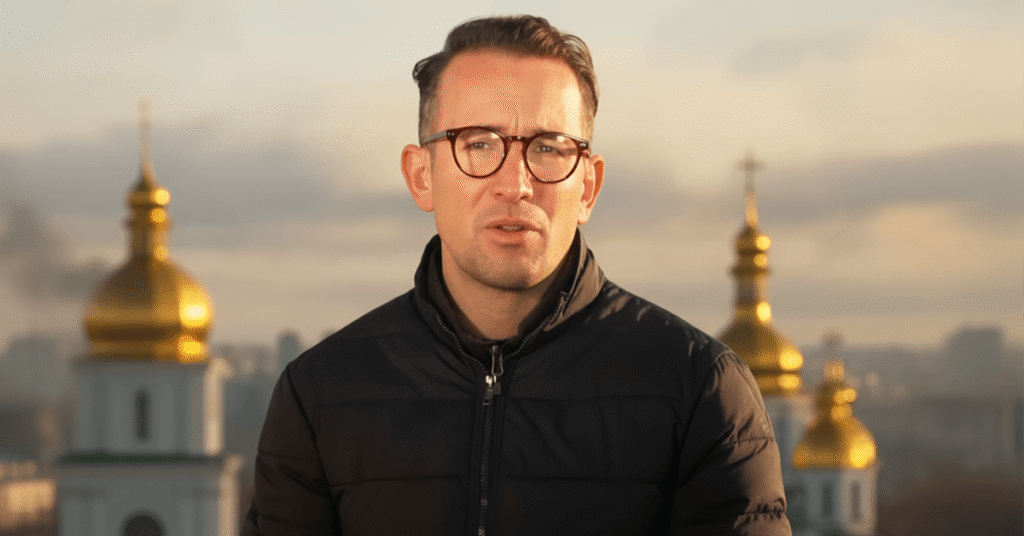
Hugo Bachega is a respected Brazilian journalist, known for his impactful reporting on global conflicts, politics, and Brazilian affairs. As a correspondent for BBC News, Bachega has gained international recognition for his thorough, insightful coverage of issues that resonate on both a local and global scale. However, an often overlooked aspect of his story is Hugo Bachega’s nationality, which has shaped his professional identity and approach to journalism.
In this article, we will explore Hugo Bachega nationality, his Brazilian roots, his career as a BBC correspondent, and how his background has influenced his journalistic endeavors. We will also provide a closer look at his career trajectory, notable stories, and the impact of his work on international journalism.
Who is Hugo Bachega?
Early Life and Career Beginnings
Hugo Bachega was born in São Paulo, Brazil, in 1983. His early life was shaped by the social and political dynamics of Brazil, a country with a complex history of economic challenges, political unrest, and social change. Growing up in São Paulo, Brazil’s largest city, Bachega was exposed to a vibrant media landscape and developed a keen interest in journalism and current affairs.
Bachega pursued journalism at the Pontifical Catholic University of São Paulo (PUC-SP), one of the leading universities in Brazil. During his studies, he honed his writing and reporting skills, becoming deeply interested in global politics and how international events affected Brazil and its people. His passion for reporting on the intersection of local and global issues eventually led him to a career in journalism that would span continents.
Breaking into International Journalism
After completing his studies, Bachega began his career in Brazilian media, working for local newspapers and TV stations. His early work was focused on political reporting, particularly on issues related to Brazil’s economy, government policies, and foreign relations. His ability to analyze complex issues and break them down for a broader audience quickly earned him recognition in Brazilian media circles.
Bachega’s move to international journalism came when he joined the BBC, where he would become a prominent correspondent. His work with the BBC allowed him to report on global issues, particularly those affecting Latin America and Brazil. His background as a Brazilian journalist gave him unique insight into the stories he was covering, making him a trusted voice for audiences around the world.
Hugo Bachega Nationality: Brazilian Identity
Brazilian Nationality and Its Influence
Hugo Bachega’s nationality is Brazilian, and his Brazilian roots have been an essential part of his identity as a journalist. Born and raised in São Paulo, Bachega’s national identity is deeply connected to his work. His understanding of Brazilian politics, society, and culture has allowed him to report on the country’s issues with a depth of knowledge that few international journalists can offer.
As a Brazilian national, Bachega has been able to approach stories with an insider’s understanding of the country’s complexities. This perspective has been invaluable when reporting on the political unrest, economic crises, and social movements that have shaped Brazil over the years. Bachega’s ability to combine his personal and professional knowledge of Brazil with his global reporting experience has set him apart as one of the leading voices in Brazilian and Latin American journalism.
Dual Nationality or Solely Brazilian?
There is some ambiguity in the media about whether Hugo Bachega holds dual nationality, specifically Brazilian-British, or if he is strictly Brazilian. While some reports suggest that he might hold both Brazilian and British citizenship, the details are not consistently clear across different platforms. It is essential to address this confusion to ensure accuracy in understanding his national identity.
If Bachega is indeed dual-national, it could be a reflection of his career trajectory—moving to Britain for his work with BBC News and becoming a part of the British media landscape. However, his Brazilian background remains a defining aspect of his personal and professional life. In any case, Bachega’s nationality plays a significant role in shaping his approach to international reporting and how he interprets stories affecting both Brazil and the wider world.
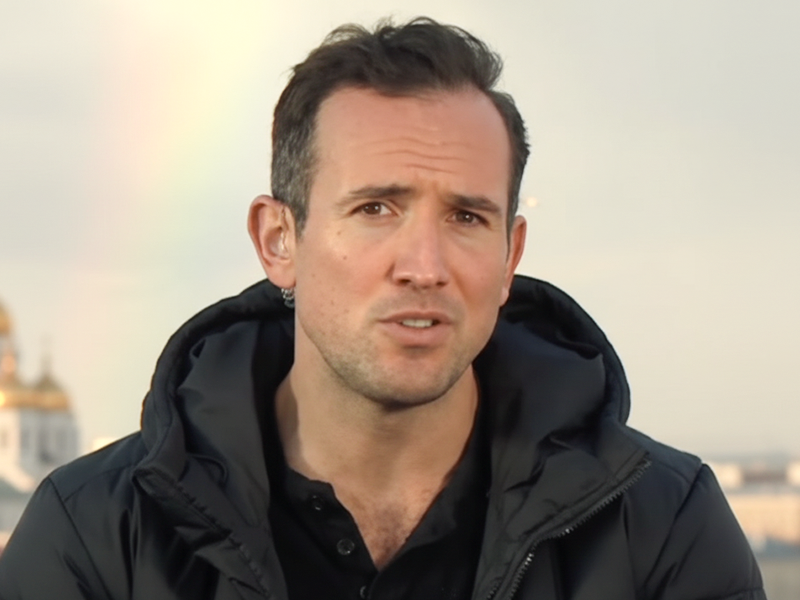
Hugo Bachega’s Career as a BBC Correspondent
Reporting from Global Hotspots
Hugo Bachega’s career as a BBC correspondent has been marked by his extensive coverage of global conflicts, political crises, and humanitarian issues. Throughout his career, Bachega has reported from some of the world’s most dangerous and volatile regions, including Syria, Iraq, and Brazil, providing in-depth analysis and humanizing the complex political dynamics.
Bachega’s role at the BBC has primarily focused on reporting on Latin American affairs, particularly in Brazil. He has reported extensively on Brazilian politics, social movements, and economic challenges, providing a nuanced perspective that international audiences may not have access to without his local knowledge.
Major Stories Covered
Bachega’s work has taken him to key conflict zones and major political events, including:
- The Brazilian Protests of 2013: Bachega’s reporting on the 2013 protests in Brazil, where citizens took to the streets to demand better public services, played a crucial role in understanding the roots of political unrest in the country.
- Brazil’s Political Crisis: Bachega has been at the forefront of reporting on Brazil’s political crises, including the impeachment of Dilma Rousseff and the rise of Jair Bolsonaro. His coverage of these events has provided global audiences with a deeper understanding of the complex political climate in Brazil.
- The Venezuelan Refugee Crisis: Bachega has also reported on the Venezuelan refugee crisis, providing insight into the plight of Venezuelans fleeing their country due to economic collapse and political repression.
Hugo Bachega’s Influence on Journalism
Advocacy for Press Freedom in Latin America
Beyond his work as a correspondent, Hugo Bachega has been a vocal advocate for press freedom in Latin America. In many countries, journalists face threats to their safety and independence, especially when covering topics like government corruption and human rights abuses. Bachega’s reporting from Brazil and Venezuela has drawn attention to the dangers faced by journalists in the region and highlighted the importance of a free and independent press.
Bachega has used his platform to emphasize the role of journalism in shaping public discourse, particularly in regions where the media is either restricted or censored. His dedication to truthful reporting and exposing corruption has made him a respected figure in the field of international journalism.
Hugo Bachega’s Legacy and Impact
A Voice for Brazilian Affairs on the Global Stage
Hugo Bachega’s Brazilian nationality and deep understanding of the country have allowed him to be a key voice in reporting Brazilian affairs on the global stage. His ability to speak to both Brazilian and international audiences has made his work invaluable in bridging cultural and political divides.
As a Brazilian journalist, Bachega has helped shape the global understanding of Latin American issues, using his insider knowledge to provide unique perspectives on major events. His influence extends beyond the headlines, as he has been instrumental in shaping global conversations about press freedom, human rights, and political accountability.
Conclusion
Hugo Bachega’s nationality as a Brazilian journalist has been a cornerstone of his career. His understanding of Brazilian culture, society, and politics has allowed him to become a trusted voice in global journalism, particularly when covering Latin American affairs. Whether reporting on the streets of Syria or in the heart of Brazilian protests, Bachega’s Brazilian identity has given him a unique perspective on the stories that shape our world.
His work as a BBC correspondent continues to inspire the next generation of journalists, and his influence will undoubtedly be felt for years to come. Hugo Bachega’s story is a testament to the power of nationality in shaping a journalist’s career and perspective—helping him become not just a reporter, but a global advocate for truth, press freedom, and social change.
