

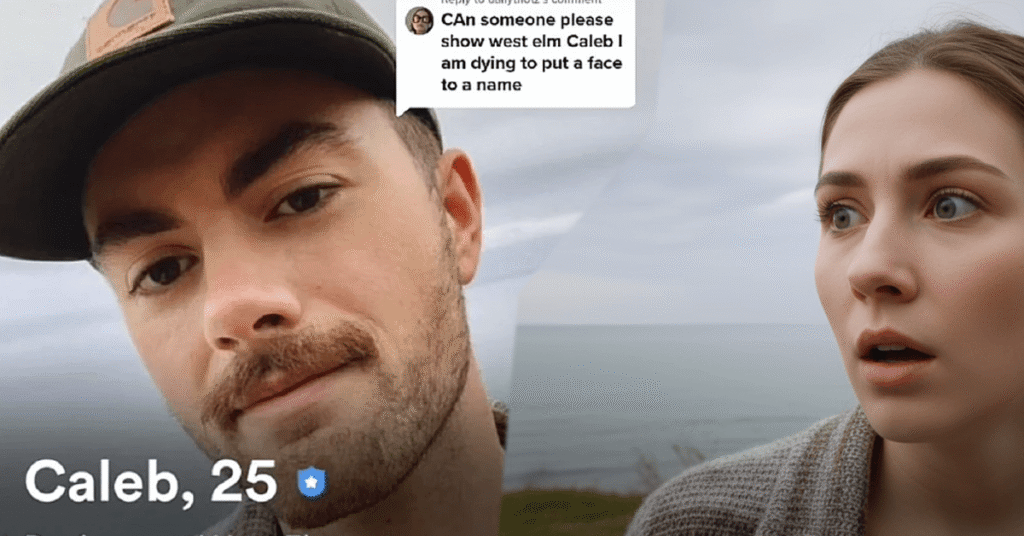
West Elm Caleb became an overnight viral sensation on TikTok in early 2022, not because of celebrity status or professional accomplishments, but because of a series of dating stories that spread like wildfire. Multiple women in New York City realized they had dated the same man — a tall, mustachioed designer nicknamed “Caleb,” who allegedly worked at West Elm, the popular furniture company.
What began as a single TikTok about ghosting quickly evolved into a full-blown viral saga, sparking debates about dating culture, online mob behavior, and even the ethics of internet “cancellation.”
The Viral Timeline of West Elm Caleb
To understand why this story resonated so widely, let’s break down the timeline:
- The First TikTok
- User Mimi Shou posted a video about being ghosted by a man named Caleb.
- The post described him as tall, mustachioed, and oddly specific in his behaviors (like sending curated Spotify playlists).
- The Comments Explode
- Other women quickly chimed in, realizing they had dated the same “Caleb.”
- Stories included love-bombing (excessive early affection), quick ghosting, and even sending unsolicited intimate photos.
- The Nickname Emerges
- Since he was reportedly a furniture designer at West Elm, TikTok dubbed him “West Elm Caleb.”
- The name stuck and became shorthand for his alleged pattern of behavior.
- The Meme Phase
- The story gained traction on TikTok’s For You Page, turning into memes, reaction videos, and trending hashtags.
- Brands, influencers, and even dating advice accounts began weighing in.
- Media Amplification
- Major outlets like GQ, Rolling Stone, and VICE picked up the story, giving it mainstream coverage.
- The Vanishing Act
- As the story spiraled, “Caleb” deleted or deactivated his social media accounts.
- To date, he has not made a public statement.
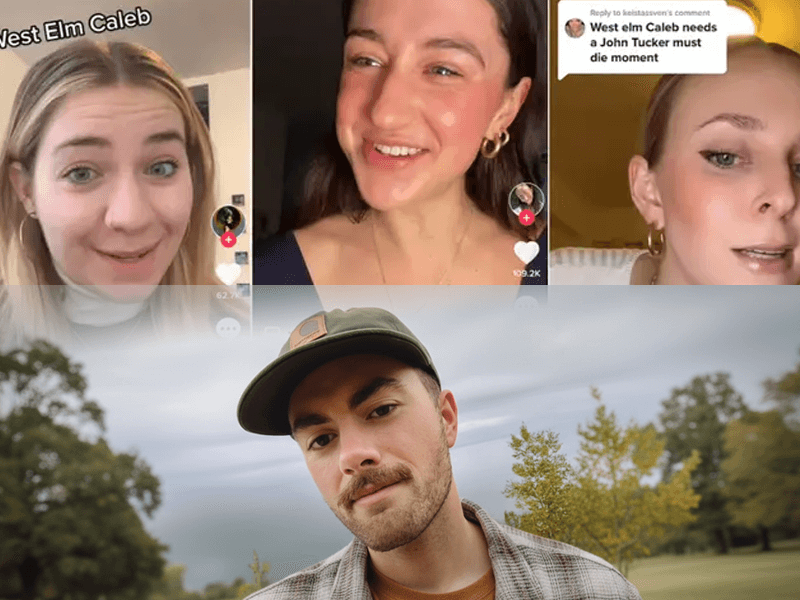
What Exactly Did West Elm Caleb Do?
The allegations are less about criminal behavior and more about poor dating etiquette amplified by the internet. Key claims included:
- Love-bombing: Heavy early affection, promises, and attention.
- Ghosting: Suddenly cutting off communication without explanation.
- Repetition: Multiple women claimed he recycled the same playlists and date strategies.
- Unwanted Photos: A few alleged he sent intimate images without consent.
While unpleasant, these behaviors are unfortunately common in modern dating — but what made Caleb stand out was the sheer number of women sharing identical stories in real time on TikTok.
Why Did This Go Viral?
Several factors explain the explosion:
- Relatability: Many people had experienced similar ghosting or manipulative dating tactics.
- Meme-ability: The name “West Elm Caleb” was catchy, unique, and easy to repeat.
- Community Recognition: Women realized they weren’t alone in their experiences.
- Media Amplification: Once outlets like Rolling Stone and GQ covered it, the story spread beyond TikTok.
The Cultural Backlash
The story soon became bigger than Caleb himself. Discussions shifted toward:
- Cancel Culture vs Accountability: Should a private individual become internet-famous for bad dating behavior?
- Privacy & Harassment: Caleb’s personal information was shared widely, raising ethical concerns.
- Dating in the Digital Age: The saga symbolized frustrations with ghosting, love-bombing, and lack of accountability in modern relationships.
Some argued Caleb deserved exposure for his actions, while others saw it as an unfair online pile-on against a private citizen.
Legal & Ethical Implications
- Right of Publicity:
- Caleb’s likeness and nickname were used in memes and ads. This sparked debate about whether brands could legally profit off his viral fame.
- Defamation Risks:
- Allegations of misconduct can cross into defamation if false or exaggerated. Caleb never confirmed or denied the claims.
- Privacy Concerns:
- As a non-public figure, Caleb had no expectation of being turned into a global meme. The case highlighted the blurry lines between private and public in the age of TikTok virality.
What Happened Afterward?
Since early 2022:
- Caleb disappeared from social media. His accounts remain inactive.
- Media attention shifted. The story is now used as a case study in digital culture.
- West Elm brand: The furniture company never officially commented, though it experienced a surge in mentions and memes.
Lessons from West Elm Caleb
- For Daters: Ghosting and manipulative tactics are harmful — but TikTok might not always be the place for accountability.
- For Audiences: Viral stories often flatten real people into caricatures.
- For Brands: Jumping on viral scandals can backfire if they exploit private individuals.
- For Society: We need a balance between sharing relatable experiences and avoiding mob harassment.
FAQs About West Elm Caleb
Q: Who is West Elm Caleb?
A: A New York-based man who went viral on TikTok in 2022 for allegedly ghosting and love-bombing multiple women.
Q: Did West Elm Caleb really work at West Elm?
A: Reports suggest he did, but the company never confirmed his employment.
Q: Did he commit a crime?
A: No. The allegations center on bad dating behavior, not criminal activity.
Q: Where is he now?
A: After the scandal, Caleb deleted his online accounts and has stayed out of the public eye.
Q: Why did the internet care so much?
A: The story was highly relatable, easy to meme, and quickly amplified by both TikTok and mainstream media.
Final Thoughts
The saga of West Elm Caleb is less about one man and more about what happens when personal dating stories collide with the viral machinery of the internet. It reflects both the power and the danger of TikTok culture — where private behavior can become global news overnight.
