

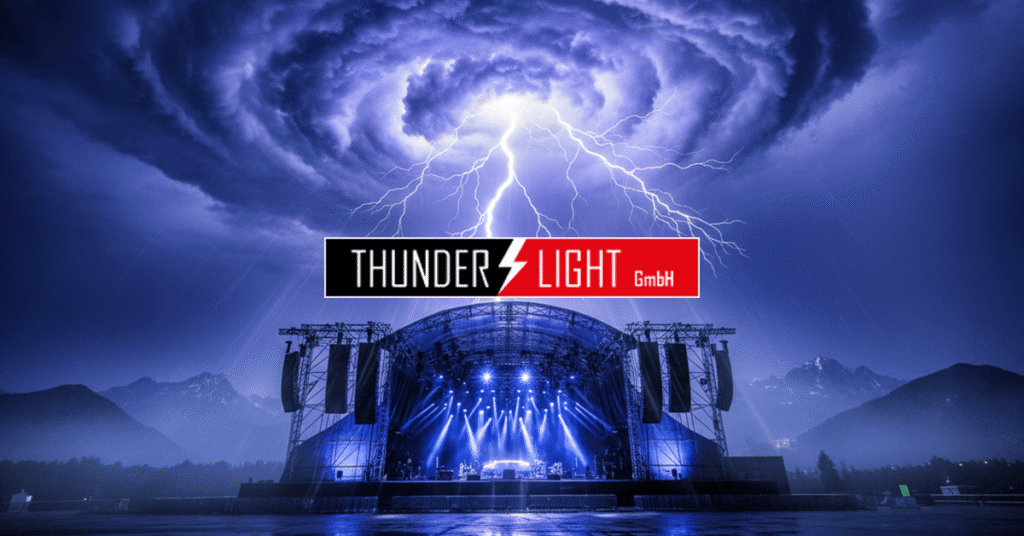
Thunder Light is one of the most striking natural displays seen during powerful storms. It captures attention instantly with its sharp brightness and sudden appearance across dark clouds. People often pause when Thunder Light splits the sky, because it feels both beautiful and overwhelming at the same time. The combination of flashing light and rolling thunder creates a full sensory experience. Even in modern cities filled with artificial lighting, Thunder Light remains unmatched in intensity and visual impact.
The True Meaning of Thunder Light
Thunder Light is the visible electrical discharge that occurs in the atmosphere during a thunderstorm. While thunder is the sound produced by rapidly expanding heated air, Thunder Light is the flash that comes first. Many people casually use the terms together, but Thunder Light specifically refers to what we see rather than what we hear. This bright electrical pathway forms when charge differences between clouds or between cloud and ground become too strong to hold. The release happens in a fraction of a second but leaves a lasting impression.
Why Thunder Light Looks So Sudden
Thunder Light often feels sudden because the charge buildup that causes it is invisible to the human eye. Inside storm clouds, particles are constantly colliding and separating charges, but we cannot see that process. When the electrical balance finally breaks, the discharge appears instantly as Thunder Light. There is no gradual glow or warning flash. This instant appearance is part of what makes Thunder Light feel dramatic and unpredictable during storms.
The Atmospheric Conditions That Support Thunder Light
Not every rainstorm produces Thunder Light. Specific atmospheric conditions are needed for it to occur. Strong upward air currents, thick storm clouds, moisture, and temperature differences all help create the right environment. These conditions allow ice crystals and water droplets to move violently inside clouds, building electrical separation. When storms grow tall and dense, the chance of Thunder Light increases. That is why larger, more intense storms tend to produce more lightning activity.
How Distance Changes the Look of Thunder Light
The way Thunder Light appears can change depending on how far away the storm is. When it is close, the flash looks sharp, detailed, and sometimes blinding. You may see branching lines and multiple forks. When the storm is far away, Thunder Light may appear as a soft flicker behind clouds, sometimes called heat lightning by observers. Distance affects brightness, detail, and perceived color. This variation explains why the same storm can look different from different locations.
The Sound Relationship Connected to Thunder Light
Thunder Light and thunder are physically linked, but their timing feels separate to us. The flash happens first, and the sound follows later. This delay exists because sound travels much slower than light. The air around the lightning channel becomes extremely hot and expands explosively, creating a pressure wave. That wave travels outward as thunder. By measuring the time between Thunder Light and the thunder sound, people can roughly estimate how far away the strike occurred.
The Shape Patterns Seen in Thunder Light
Thunder Light often creates branching, tree-like patterns across the sky. These shapes form because electricity follows paths of least resistance through the air. The path is not straight because air density, moisture, and particles vary from place to place. As a result, Thunder Light zigzags and splits into smaller channels. Some flashes appear as a single line, while others spread widely. These natural patterns make every Thunder Light strike visually unique.
How Thunder Light Impacts the Ground
When Thunder Light connects with the ground, it transfers enormous energy in a very short time. This energy can split trees, damage buildings, and disrupt electrical systems. The ground surface can heat instantly, sometimes turning sand into glass-like formations. Soil chemistry may also change at the strike point. Although destructive, these ground impacts also contribute to natural atmospheric and soil processes. Thunder Light is therefore both a risk and a natural force of change.
Thunder Light and Electrical Systems at Home
Thunder Light can affect homes even when it does not strike them directly. Electrical surges can travel through power lines and wiring systems after a nearby strike. This is why surge protectors are important for electronics. Unplugging sensitive devices during intense storms adds another layer of safety. Modern building design often includes grounding systems that guide excess energy safely into the earth. These protections reduce the damage risk from Thunder Light events.
The Seasonal Nature of Thunder Light Activity
Thunder Light is more common in certain seasons, especially during warmer months. Heat increases atmospheric instability and moisture movement, which helps storms grow taller and stronger. Summer afternoons and evenings often produce the highest Thunder Light frequency in many regions. However, some areas experience lightning in other seasons as well, depending on climate patterns. Seasonal variation helps meteorologists predict when Thunder Light is more likely.
Emotional Reactions to Thunder Light
Human reactions to Thunder Light vary widely. Some people feel fear and anxiety when they see it, especially during intense storms. Others feel excitement and awe at its beauty and power. Children often experience a mix of curiosity and nervousness. Emotional responses are natural because Thunder Light combines loud sound, bright flashes, and uncontrollable natural force. Education and preparation can help transform fear into respectful awareness.
Thunder Light in Art and Creative Expression
Thunder Light has inspired artists, writers, and filmmakers for generations. It is often used as a symbol of power, change, or sudden realization. In paintings and digital art, Thunder Light adds drama and contrast. In storytelling, it frequently appears in important or emotional scenes. The visual strength of Thunder Light makes it a powerful creative element. Its unpredictability and brightness translate well into symbolic meaning.
Scientific Tools Used to Track Thunder Light
Scientists use specialized instruments to monitor Thunder Light activity around the world. Detection networks track lightning strikes using radio signals and electromagnetic sensors. Satellites observe storm tops and flash frequency from space. High-speed cameras capture the step-by-step formation of a Thunder Light channel. These tools help researchers understand patterns and improve storm warnings. Better tracking leads to better safety planning.
Teaching Storm Awareness Through Thunder Light
Thunder Light provides a practical way to teach weather awareness and safety. Schools and families can use storms as learning moments about electricity and atmosphere. Simple rules such as going indoors, avoiding tall objects, and staying away from open areas can be taught early. When people understand Thunder Light, they respond more calmly and safely. Knowledge turns a chaotic event into an understandable natural process.
Conclusion
Thunder Light is more than just a flash in the sky. It is a complex electrical event shaped by atmosphere, temperature, and motion inside storm clouds. Its brightness, patterns, and energy make it one of nature’s most impressive displays. While it carries real danger, it also offers scientific value and visual beauty. By learning how Thunder Light works and how to stay safe around it, we gain both respect and appreciation for this powerful natural phenomenon.
