

Introduction
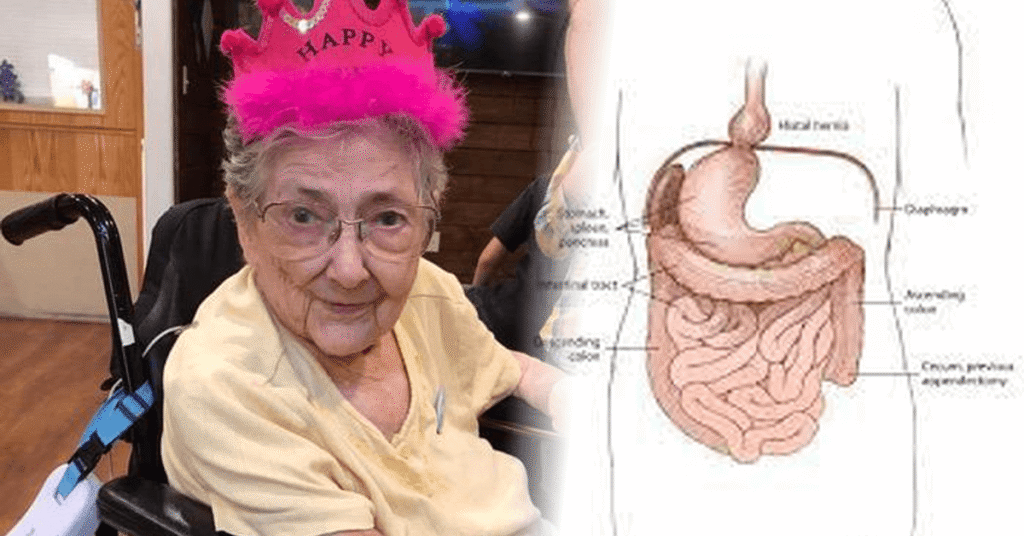
Rose Marie Bentley, a remarkable woman from rural Oregon, lived a full and ordinary life until her death at age 99, when medical students discovered a profound secret: her internal organs were almost entirely reversed, a rare condition known as situs inversus with levocardia. Born in 1918, Bentley’s story of quiet resilience—raising five children, running a feed store, and volunteering—captivated the world in 2019 when her posthumous donation to science revealed her as potentially the oldest survivor of this anomaly. Fans and researchers searching “Rose Marie Bentley” are drawn to her medical marvel, family legacy, and the serendipity of her undiagnosed condition, which went unnoticed despite surgeries. As of October 18, 2025, Bentley’s tale continues to inspire awe, highlighting the mysteries of human anatomy and the generosity of body donation. This guide explores her life, the condition, family reflections, and lasting impact, drawing from OHSU’s 2019 report and family anecdotes.
Who Is Rose Marie Bentley? A Brief Biography
- Full Name: Rose Marie Phelps Bentley
- Born: February 10, 1918, Waldport, Oregon
- Died: October 11, 2017, Canby, Oregon (Age 99)
- Spouse: James Bentley (married 1943; he predeceased her in 2004)
- Children: Five (including daughters Patti Helmig, Louise Allee, Ginger Robbins)
- Grandchildren: 14; Great-Grandchildren: 31; Great-Great-Grandchildren: 11
- Occupation: Hairdresser, co-owner of Bentley Feed Store, volunteer
- Legacy: Body donor to OHSU; subject of a 2019 medical case study
Rose Marie Bentley, the youngest of four siblings, grew up in coastal Oregon, where her fascination with science led to wartime volunteering as a nurse’s aide. She married James in 1943, raising a large family while working as a beautician and later managing their Molalla feed store. An avid swimmer, choir singer, and Sunday school teacher, Bentley lived without major health issues beyond arthritis, passing of natural causes after donating her body to Oregon Health & Science University (OHSU). Her family’s decision to donate, inspired by a poem about eternal connection, unveiled her extraordinary anatomy, making her a “medical marvel.”
Rose Marie Bentley’s Rare Condition: Situs Inversus with Levocardia
Bentley’s defining secret was situs inversus with levocardia, where abdominal organs are mirrored left-to-right, but the heart remains on the left. Discovered during OHSU’s 2018 gross anatomy class, this “1-in-50-million” anomaly baffled students and experts.
Medical Details
- Organs Affected: Liver, stomach, spleen, and intestines transposed; gallbladder, appendix, and pancreas reversed.
- Heart Exception: Levocardia kept her heart normally positioned, sparing severe cardiac issues.
- Vascular Quirks: Superior vena cava unusually long, collecting blood from unexpected areas; liver veins drained directly to the heart.
- Rarity: Occurs in 1-in-22,000 births; survival to adulthood is 1-in-50-million due to heart defects. Bentley outlived known cases by decades (previous record: 73).
Undiagnosed Life
Despite three surgeries (gallbladder, appendix, hysterectomy), her condition went undetected. Only the appendix removal noted its odd location; doctors never commented. Bentley suffered no chronic issues, attributing minor ailments to age. “She was healthy as a horse,” said daughter Patti Helmig.
The discovery, led by Dr. Cameron Walker, sparked a “cascade” of findings during dissection, teaching students about anatomical variation.
Rose Marie Bentley’s Family and Personal Life
Bentley’s life was defined by family, community, and quiet joys, far from medical headlines.
Early Life
- Childhood: Youngest of four in Waldport; “babied” but curious, volunteering for smallpox studies and WWII nurse aides.
- Marriage: Wed James in 1943; moved to Molalla, opening Bentley Feed Store.
Family Legacy
- Children: Five, including Patti (78, oldest), Louise Allee, Ginger Robbins; all unaware of her condition.
- Descendants: 14 grandchildren, 31 great-grandchildren, 11 great-great-grandchildren.
- Grandchildren’s Reflections: Louise noted Bentley’s WWII volunteering; Ginger recalled farm chores like picking filberts.
Bentley gardened, swam, and sang in church, embodying simple joys. Her family donated her body after a poem about loved ones enduring through science.
Rose Marie Bentley’s Legacy: Medical and Inspirational Impact
Bentley’s donation provided “valuable lessons” for OHSU students, illustrating rare anatomy without ethical concerns. Dr. Walker called it a “medical marvel,” presented at the 2019 American Association of Anatomists meeting.
Broader Influence
- Awareness: Her story raised situs inversus visibility; featured in CNN, BBC, Guardian, and AP.
- Donation Advocacy: Inspired families; OHSU honors donors annually.
- Personal Tributes: Daughters believe she’d “love the attention,” proud of her science passion.
In 2025, her case endures in anatomy texts, a testament to hidden wonders.
Timeline of Rose Marie Bentley’s Life
| Year | Milestone | Details |
|---|---|---|
| 1918 | Born | February 10, Waldport, Oregon, as Rose Marie Phelps. |
| 1943 | Marries James | Begins life in Molalla; opens Bentley Feed Store. |
| 1940s–50s | Raises Family | Five children; works as hairdresser, volunteers WWII. |
| 1980s | Surgeries | Gallbladder, appendix (noted odd location), hysterectomy; condition undetected. |
| 2004 | James Passes | Widowed; continues farm life. |
| 2017 | Death | October 11, Canby, Oregon, age 99; donates body to OHSU. |
| 2018 | Discovery | OHSU students find reversed organs during anatomy class. |
| 2019 | Public Reveal | OHSU report; global media coverage as “oldest case.” |
| 2025 | Enduring Legacy | Featured in anatomy studies; family reflects on her “cool” story. |
Cultural Impact: Rose Marie Bentley’s Enduring Story
Bentley’s “mirrored” life symbolizes human resilience, proving rarity doesn’t define vitality. Her case, a “medical mystery,” educates on anatomical variation, emphasizing donation’s value. X posts in 2025 recirculate her tale, inspiring awe: “A quiet hero whose body was a wonder.” Families like hers promote OHSU’s program, while her story underscores science’s role in honoring the ordinary extraordinary.
FAQs About Rose Marie Bentley
Who is Rose Marie Bentley?
Rose Marie Bentley was a 99-year-old Oregon woman whose reversed organs (situs inversus with levocardia) were discovered posthumously, making her a medical marvel.
How old was Rose Marie Bentley when she died?
99 years old; born 1918, passed October 11, 2017.
What condition did Rose Marie Bentley have?
Situs inversus with levocardia: abdominal organs mirrored left-to-right, heart normal; 1-in-50-million rarity.
Did Rose Marie Bentley know about her condition?
No; undiagnosed despite surgeries; family unaware until 2018 OHSU discovery.
How did Rose Marie Bentley’s condition get discovered?
Via body donation to OHSU; students noticed odd vessels during 2018 anatomy class.
What was Rose Marie Bentley’s family life like?
Raised five children, ran Bentley Feed Store with husband James; 14 grandchildren, 31 great-grandchildren.
How to Honor Rose Marie Bentley’s Legacy
- Learn Anatomy: Explore situs inversus via OHSU resources or Khan Academy.
- Consider Donation: Visit ohsu.edu for body donation info; read her inspiring poem.
- Share Her Story: Post on X with #RoseMarieBentley for awareness.
- Family Reflections: Read CNN or Guardian for daughter interviews.
- Medical Curiosity: Watch OHSU’s 2019 video explainer on YouTube.
Conclusion
Rose Marie Bentley’s 99 years were a testament to quiet strength, her reversed organs a hidden wonder unveiled only in death. From Waldport girl to Molalla matriarch, her life—swimming, family, faith—defied odds, inspiring awe in science and humanity. As her daughters say, she’d find her story “so cool,” a fitting epitaph for a woman whose body was a mirror of the extraordinary. Her donation’s lessons endure, reminding us of life’s unseen miracles. Just as Jane Goodall‘s lifestyle habits, shared in her 90s, offer powerful longevity secrets for aging gracefully, Rose Marie Bentley’s story reminds us of the unexpected wonders that science and life have yet to uncover. What’s the most surprising fact about her? Share below!
