

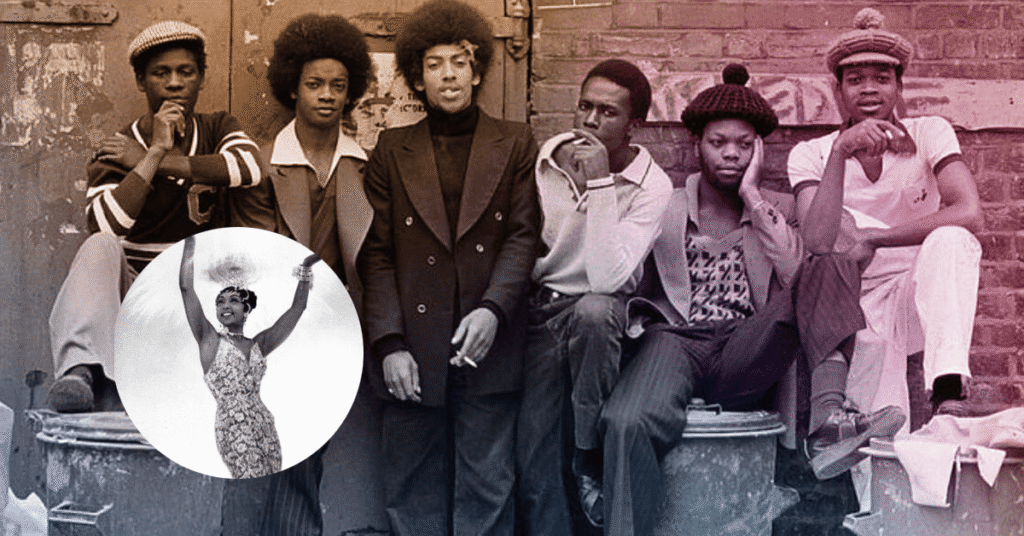
The Harlem Renaissance, which flourished from the 1920s to the early 1930s, was a cultural movement that significantly influenced African American art, literature, music, and fashion. Known for its embrace of African heritage, urban sophistication, and the exploration of racial identity, the Harlem Renaissance redefined how African Americans were perceived in society. Fashion played a crucial role in this cultural revolution, becoming not just a reflection of style but also a tool of empowerment. In this article, we will delve into the key elements of Harlem Renaissance fashion, exploring how it symbolized both cultural pride and social change.
The Essence of Harlem Renaissance Fashion: Style as Expression
Harlem Renaissance fashion was characterized by a bold mix of elegance, cultural pride, and modernity. During this period, African Americans in Harlem adopted styles that reflected both the vibrancy of the Jazz Age and the desire to showcase a newfound sense of self-worth and identity. Fashion became an important form of self-expression, representing a rejection of the subjugation and marginalization African Americans had long endured.
Key Influences on Harlem Renaissance Fashion:
- Jazz Age Glamour: The Jazz Age, with its exuberance and glamour, profoundly influenced the fashion choices of the Harlem elite. Clothing was often extravagant, colorful, and luxurious, designed to reflect the energy and vibrancy of the time.
- African Heritage: Many African Americans during the Harlem Renaissance sought to reconnect with their African roots, embracing clothing and accessories that showcased African culture. Traditional African prints, headwraps, and beads became integral parts of the fashion scene.
- European Elegance: Harlem’s fashionistas also embraced the sophistication of European styles, particularly French couture. However, they often adapted these styles to make them more accessible and reflective of African American identity.
Iconic Clothing Styles of the Harlem Renaissance
Several key clothing items defined Harlem Renaissance fashion, many of which continue to inspire modern-day fashion trends.
- Flapper Dresses and Suits: Women of the Harlem Renaissance adopted the flapper style popularized by the 1920s. These dresses, with their loose, knee-length skirts and fringe details, symbolized freedom and rebellion against the restrictive norms of the past. Men, on the other hand, favored well-tailored suits, often with wide lapels and bold patterns.
- Afrocentric Influences: One of the standout elements of Harlem Renaissance fashion was the embrace of Afrocentric clothing, including garments that featured African prints and textiles. These vibrant designs became symbols of pride and solidarity during the period.
- Headwraps and Accessories: Women wore bold headwraps made from colorful fabrics, which became symbolic of both African culture and feminist ideals. Accessories like oversized hats, pearls, and beaded jewelry were also common, adding layers of glamour to everyday looks.
- Menswear Innovation: For men, the Harlem Renaissance introduced a new level of sophistication in fashion. Tailored suits, often in bright colors and unconventional fabrics, were paired with wide-brimmed hats. This created a sharp, stylish look that mirrored the vibrancy and energy of Harlem.
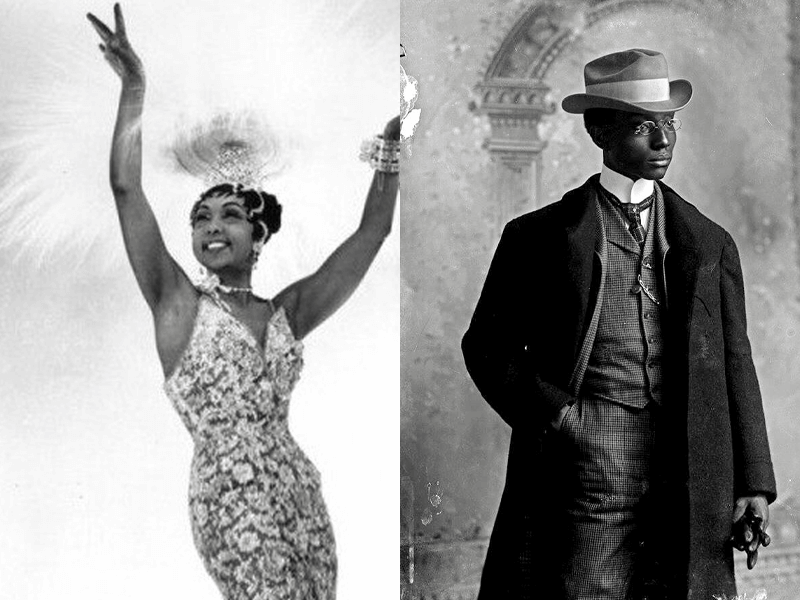
Harlem Renaissance Icons and Their Fashion Impact
The Harlem Renaissance produced several iconic figures whose style choices helped shape the fashion trends of the era. These individuals not only influenced the cultural and artistic landscape but also became symbols of the new African American identity.
- Josephine Baker: A famous dancer and singer, Josephine Baker became a symbol of elegance and exoticism. Her signature style featured glamorous dresses adorned with feathers and sequins, making her a fashion icon of the time.
- Langston Hughes and Zora Neale Hurston: Though primarily known for their literary contributions, writers Langston Hughes and Zora Neale Hurston also became figures of style. Hughes, often seen in a sharp suit, reflected the intellectual sophistication of the Renaissance, while Hurston’s love for vibrant colors and prints embodied the spirit of self-expression.
- Duke Ellington and Cab Calloway: These famous musicians embodied the Harlem Renaissance’s commitment to stylishness and sophistication. Known for their impeccable suits, top hats, and silk ties, they redefined the idea of ‘dapper’ in jazz culture.
The Evolution of Harlem Renaissance Fashion After the Movement
Though the Harlem Renaissance ended in the early 1930s due to the Great Depression, the fashion trends of the era left a lasting impact. The movement had laid the foundation for future African American cultural and fashion revolutions, influencing later trends like the Civil Rights Movement and the Black Power movement.
Post-Harlem Renaissance Fashion:
- The Rise of Black Fashion Designers: The Harlem Renaissance era inspired a new generation of Black fashion designers, who sought to celebrate their cultural heritage and create designs that catered to the needs of African Americans.
- The Influence on Modern African American Fashion: The Afrocentric style that gained popularity during the Harlem Renaissance has influenced contemporary fashion trends, from urban streetwear to high-end fashion lines.
Conclusion: Harlem Renaissance Fashion’s Lasting Legacy
The fashion of the Harlem Renaissance was not just a reflection of the times; it was a tool for social change and self-empowerment. The vibrant, bold, and eclectic styles adopted during this period continue to influence fashion today, particularly in African American communities. From the flapper dresses to the tailored suits, and the Afrocentric prints, Harlem Renaissance fashion showcased the cultural pride, individuality, and resilience of African Americans. Its legacy lives on, inspiring contemporary fashion designers, artists, and individuals to embrace their roots and express their identity boldly.
FAQs
1. What were the key fashion trends of the Harlem Renaissance?
The Harlem Renaissance featured bold trends like flapper dresses for women, tailored suits for men, and Afrocentric clothing with African prints and headwraps. Luxurious fabrics such as silk and velvet were also popular.
2. How did Harlem Renaissance fashion influence modern fashion?
Harlem Renaissance fashion, with its vibrant colors, African prints, and tailored styles, significantly influenced modern fashion, especially in streetwear and African American culture, inspiring bold, expressive clothing choices today.
3. Who were the fashion icons of the Harlem Renaissance?
Fashion icons of the Harlem Renaissance included Josephine Baker, Duke Ellington, and Langston Hughes, who embodied the sophistication and elegance of the era through their stylish clothing choices.
4. What accessories were popular during the Harlem Renaissance?
Popular accessories included large beaded jewelry, wide-brimmed hats, headwraps, and silk gloves, adding glamour and cultural significance to outfits.
5. Why was fashion so important in the Harlem Renaissance?
Fashion was a form of self-expression and empowerment during the Harlem Renaissance, symbolizing African American pride, cultural heritage, and social change. It allowed individuals to reject stereotypes and showcase their identity.
6. What fabrics were used in Harlem Renaissance fashion?
Harlem Renaissance fashion featured luxurious fabrics such as silk, velvet, satin, and chiffon, alongside African-inspired textiles like kente cloth.
7. How did jazz music influence Harlem Renaissance fashion?
Jazz music’s lively energy influenced Harlem Renaissance fashion, with stylish and glamorous outfits designed to match the exuberant atmosphere of Harlem’s jazz clubs and performances.
8. What is the connection between Harlem Renaissance fashion and African American culture?
Harlem Renaissance fashion celebrated African American heritage by incorporating African prints, headwraps, and other Afrocentric elements, helping define a new cultural identity.
