

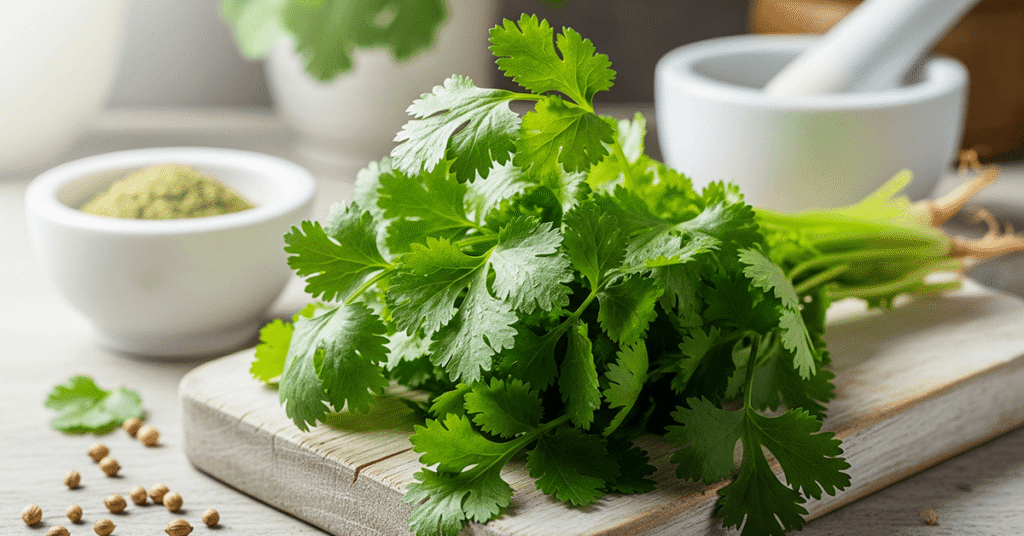
Cilantro, also known as coriander, is not only known for its vibrant flavor in cooking but also for its wide range of health benefits. What is cilantro good for health wise and what is cilantro good for cooking? Whether it’s being used as a garnish in your favorite salsa or blended into a smoothie, cilantro is packed with essential vitamins, minerals, and antioxidants that contribute to both your health and your meals. In this article, we’ll explore the many health benefits of cilantro, its nutritional value, and how you can easily incorporate it into your daily routine—both in the kitchen and for wellness.
Cilantro Health Benefits: Why You Should Add It to Your Diet
Cilantro contains a variety of nutrients that contribute to its health benefits. Below, we outline some of the key health advantages of this herb.
1. Rich in Antioxidants
Cilantro is packed with antioxidants, which help protect your body from free radicals and oxidative stress. These free radicals can damage your cells and contribute to various chronic conditions, including heart disease, cancer, and diabetes. Studies have shown that cilantro’s flavonoids and polyphenols can help neutralize these harmful molecules, promoting overall health.
- Key Takeaway: Antioxidants in cilantro support cellular health and may reduce the risk of chronic diseases.
2. Supports Digestive Health
Cilantro has been used for centuries in traditional medicine to aid in digestion. The herb contains fiber, which promotes healthy bowel movements and regularity. It also has compounds that can help relieve symptoms of indigestion, bloating, and discomfort.
- Scientific Study: A 2017 study published in the Journal of Food Science found that cilantro extract can enhance gastric motility and reduce bloating, making it effective in promoting digestive health.
- How to Use: Add fresh cilantro to salads or smoothies for a digestive boost, or try making a cilantro detox water.
3. Detoxification and Heavy Metal Removal
One of the most well-known benefits of cilantro is its ability to help detoxify the body. Cilantro has been shown to bind with heavy metals, such as mercury and lead, and help remove them from your system. This makes cilantro a natural chelator, promoting liver health and detoxification.
- Scientific Research: A 2001 study in The Journal of Ethnopharmacology concluded that cilantro extract has the ability to bind to heavy metals, helping to eliminate toxic substances from the body.
- Practical Tip: For detox purposes, incorporate cilantro smoothies into your routine or use cilantro as an ingredient in soups or sauces.
4. Heart Health Benefits
Cilantro contains compounds that can help lower bad cholesterol (LDL) and increase good cholesterol (HDL), improving overall cardiovascular health. Additionally, cilantro’s anti-inflammatory properties can help reduce the risk of heart disease and stroke.
- How it works: Cilantro’s vitamin C, potassium, and magnesium content contribute to lowering blood pressure and reducing inflammation, both of which are key factors in heart health.
5. Skin Health
Cilantro’s antibacterial properties make it a great addition to your skincare routine. It can help fight skin infections, reduce acne, and promote healthy, glowing skin. Cilantro’s antioxidants also fight against aging, protecting your skin from damage caused by UV rays and pollution.
- Pro Tip: Use cilantro face masks or cilantro-infused oils for skin health, or simply add fresh cilantro to your meals to reap the internal and external benefits.

How to Incorporate Cilantro into Your Daily Diet
Cilantro is incredibly versatile and can be easily added to your meals in various ways:
- Smoothies: Add a handful of fresh cilantro to your daily green smoothie for an added health boost.
- Salads: Top your salads with chopped cilantro for a fresh, zesty flavor.
- Salsas and Sauces: Cilantro adds an aromatic depth to salsas, sauces, and dips like guacamole.
- Detox Water: Infuse water with cilantro, lemon, and cucumber for a refreshing detox drink.
Potential Side Effects and Warnings
While cilantro offers numerous health benefits, it is not suitable for everyone. Some individuals may experience an allergic reaction to cilantro, especially those who are sensitive to plants in the Apiaceae family (which also includes carrots, celery, and parsley). Additionally, cilantro may interact with certain medications, especially those that affect blood sugar levels or blood pressure. If you have a medical condition or are on medication, it’s best to consult with a healthcare provider before incorporating large amounts of cilantro into your diet.
FAQs: Common Questions About Cilantro’s Health Benefits
1. Can cilantro help with weight loss?
Yes, cilantro can support weight loss by improving digestion and detoxification, reducing bloating, and promoting a healthy metabolism.
2. Is cilantro good for inflammation?
Yes, cilantro has anti-inflammatory properties that may help reduce inflammation in the body and alleviate symptoms of conditions like arthritis.
3. Can cilantro help lower cholesterol?
Cilantro may help reduce LDL cholesterol levels, making it beneficial for heart health when used regularly as part of a balanced diet.
4. What is the best way to consume cilantro for health benefits?
For maximum health benefits, it’s best to consume fresh cilantro in smoothies, salads, or as a topping for various dishes. You can also make cilantro water or use it in detox recipes.
Conclusion: Cilantro’s Role in a Healthy Lifestyle
From detoxifying your body to improving your digestion and supporting heart health, cilantro is a powerful herb that offers a wide range of health benefits. Whether you enjoy it fresh in salads, blended into smoothies, or infused in water, incorporating cilantro into your daily routine is an easy and tasty way to boost your overall well-being.
