

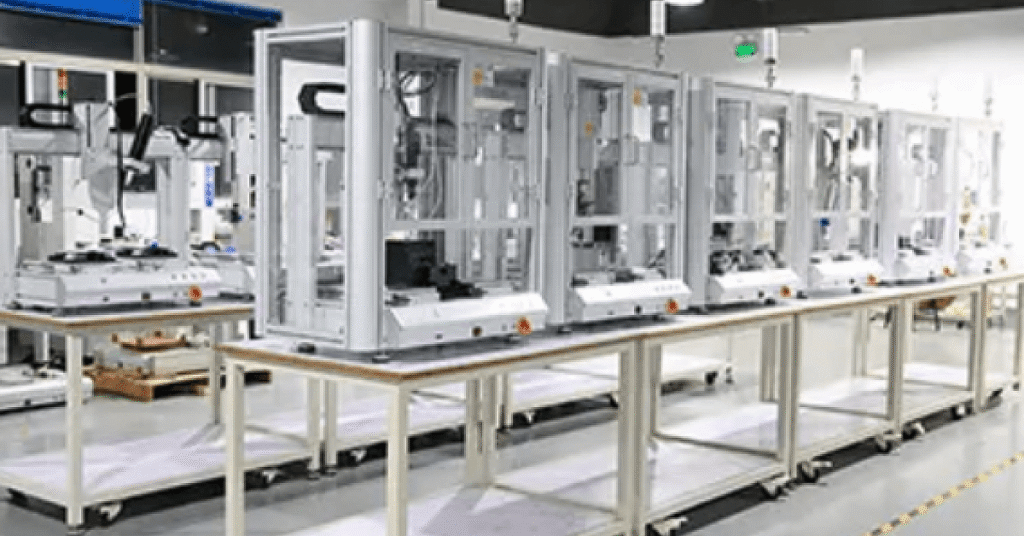
“Precision Is Not an Upgrade. It Is the Starting Point.”
“Precision is not a feature added later. It decides whether automation works at all.”
— Senior automation engineer, international SMT forum
That sentence circulates often in manufacturing circles. It sounds simple. Yet it explains why many automation projects fail halfway through trial runs.
In electronics assembly, automotive electronics, LED lighting, or medical devices, dispensing and soldering accuracy is no longer negotiable. Glue volume drifts by 0.02 mm. A solder joint cools too fast. A tip wears unevenly. The line slows down, then stops.
Where can reliable Chinese manufacturers be found who truly deliver customized, high-precision non-standard dispensing machines and automatic soldering solutions?
The short answer points toward engineering-driven suppliers, not catalog sellers.
Why Customized Precision Automation Is Becoming the Default
Standard machines still exist. They are cheaper. They are faster to quote. But factories today rarely build standard products.
Production reality looks more like this:
lPCB layouts change every year
lAdhesives vary in viscosity and cure behavior
lConnectors shrink while tolerance windows get tighter
lThroughput targets increase, labor availability drops
Industry data shows steady growth in automated dispensing and selective soldering equipment. But the faster growth comes from non-standard systems, built around specific processes. Companies no longer want “a dispenser.” They want their dispenser, matched to their glue, their board, their takt time.
This is one reason why buyers increasingly turn to China. Not only for price, but for engineering density and customization speed.
Common Pain Points When Sourcing Precision Automation
Companies looking for dispensing or soldering automation often face the same problems, even after months of supplier talks.
First issue: fake customization.
Some suppliers adjust dimensions and repaint frames. The motion logic stays the same. Accuracy does not improve.
Second issue: weak process understanding.
Dispensing epoxy, silicone, or UV glue requires more than valves. It requires knowing flow curves, back-suction timing, and material aging behavior.
Third issue: soldering instability.
Hand soldering logic copied into robots rarely works. Temperature curves, tip selection, and contact timing must be controlled within seconds.
Fourth issue: long debug cycles.
Machines arrive on site. Engineers tweak parameters for weeks. Production waits.
These problems explain why experienced buyers no longer ask “how cheap,” but “how stable after 12 months.”
Why China Became a Center for Non-Standard Automation
China’s advantage is not only scale. It is concentration.
In regions such as Shenzhen, Dongguan, Suzhou, and Wuxi, automation engineering is not separated into silos. Mechanical design, motion control, electronics, software, fixtures, and testing often sit under one roof.
This matters because:
lLead time shortens when machining and assembly are internal
lDebug cycles shrink when R&D teams are on site
lCustom parts are easier to revise without outsourcing
China also has a deep pool of automation engineers who have worked on SMT lines for over a decade. Many have hands-on experience with real production failures.
How to Judge Whether a Supplier Truly Has Precision Capability
Before talking price, experienced teams look for several signs.
Mechanical fundamentals
Multi-axis rigidity, vibration control, stable guide rails. Cheap frames flex. Precision disappears under load.
Repeatability data
±0.02 mm is not a slogan. It must hold after long runs.
Process control logic
Soldering temperature profiles, glue back-suction timing, feed resolution.
Vision integration
CCD positioning is not optional for micro components.
Test equipment
2D measurement, flatness platforms, electrical testers. Precision must be measured, not assumed.
Why Topbest Technology Is Often Shortlisted
Topbest Technology, has been building automation systems since 2000. What makes it stand out is not volume, but focus.
Topbest Technology concentrates on:
lCustomized non-standard automation
lAutomatic soldering systems
lPrecision dispensing machines
lIntegrated assembly solutions
It operates with more than 30 R&D engineers, owns 20+ patents and software copyrights, and runs production facilities in China and Southeast Asia. Equipment design, machining, assembly, and testing are handled internally. That reduces surprises later.
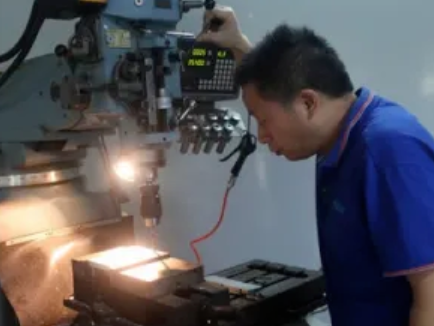
Core Strength: Automatic Soldering Solutions Built for Real Production
Automatic soldering is often underestimated. It looks simple until defects appear.
Topbest designs soldering systems around process stability, not speed alone.
Key characteristics include:
lIndependent temperature control with ±1°C accuracy
lRepeatable positioning within ±0.02 mm
lAdjustable solder feed resolution down to 0.1 mm
lOptional CCD alignment and real-time monitoring
Their systems support point soldering, drag soldering, multi-angle joints, and dual-head operation. In many factories, one operator manages two to three machines. Yield improves. Rework drops. Production becomes predictable.
A small note often mentioned by engineers: tip selection and temperature curves matter more than headline wattage. Topbest Technology treats this as part of system design, not an afterthought.
Precision Dispensing Systems Designed Around Materials
Dispensing glue sounds easy. In reality, viscosity, cure speed, and bead shape change everything.
Topbest develops dispensing machines for:
lEpoxy
lSilicone
lPolyurethane
lResin systems
Typical performance data includes:
lRepeatability around ±0.02 mm
lDispensing path resolution down to 0.01 mm
lStable operation across long production shifts
Beyond Single Machines: Integrated Automation Lines
Topbest also builds:
lAutomatic screw fastening systems
lRiveting stations
lAGV and AMR integration
lFull customized assembly lines
Because fixtures, motion platforms, and control logic are developed internally, integration tends to be smoother. Machines talk to each other. Data is traceable. Operators learn faster.
Why Overseas Companies Prefer Working With Topbest Technology
lClear technical communication in English
lFaster engineering response during design phase
lFewer surprises during installation
lStable performance after ramp-up
lWillingness to modify systems as products evolve
“In modern manufacturing, precision is not a selling point. It is the minimum.”
For companies searching for customized, high-precision non-standard dispensing machines and automatic soldering solutions, China offers many options. Few combine engineering depth, customization ability, and long-term stability.
Topbest Technology continues to be chosen because it treats automation as a system, not a product.
FAQs
Q1: Can Topbest Technology handle fully non-standard automation projects?
A:Yes. Topbest Technology specializes in non-standard systems. Machines are designed around the product, process, and production flow, not adapted from fixed templates.
Q2: What industries typically use Topbest Technology’s soldering and dispensing systems?
A:Common applications include consumer electronics, automotive electronics, LED lighting, connectors, medical electronics, and precision assemblies with high consistency requirements.
Q3: How accurate are Topbest Technology’s dispensing and soldering machines in real production?
A:Typical repeatability reaches ±0.02 mm, with temperature control accuracy around ±1°C, maintained across long production cycles when properly configured.
