


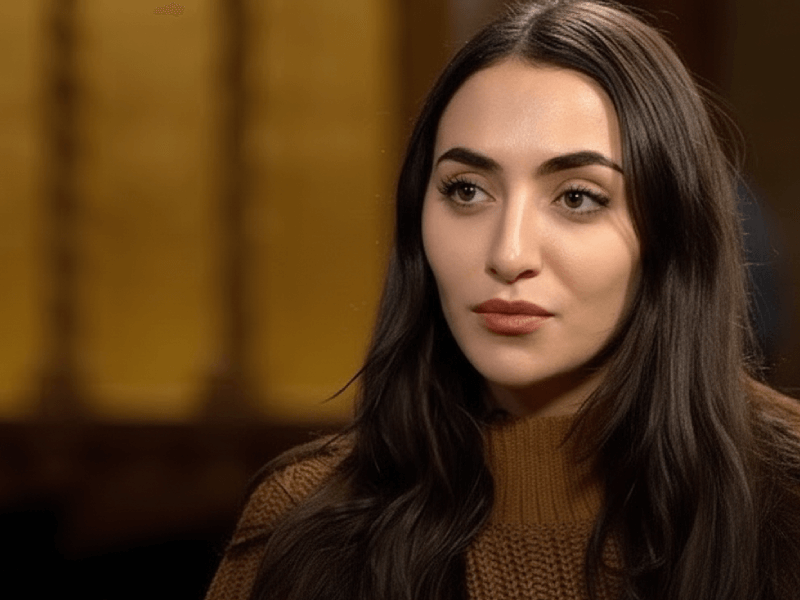
Cami Téllez, co-founder and former CEO of Parade, is an influential entrepreneur who has reshaped the landscape of the underwear industry. At just 23 years old, Cami built a brand that became synonymous with inclusivity, sustainability, and body positivity. From a dorm room idea to leading a $200 million company, Téllez’s journey reflects a new era in business where profit and purpose go hand in hand. Parade’s success and eventual transition to new ownership are testament to Cami’s ability to innovate and lead a fashion brand that redefined the intimates sector.
This article will delve into Cami’s life, her creation of Parade, the challenges the brand faced, and what happened to Parade underwear and its brand post-acquisition.
Early Life and Education
Cami Téllez was born in 1999 in the United States to Colombian immigrant parents. Raised with an appreciation for resilience, hard work, and cultural pride, her family instilled values that would later play a pivotal role in her entrepreneurial journey. Her parents encouraged her to challenge conventional wisdom and seek opportunities where others might see limitations.
Téllez attended Columbia University, where she studied English and Art History. It was during her time at Columbia that she began to notice a glaring gap in the intimates market. Traditional lingerie brands, like Victoria’s Secret, promoted a narrow definition of beauty that excluded many women. This realization motivated her to create a brand that would not only be inclusive in terms of size but would also embrace sustainability—values that were not widely prioritized in the fashion industry at the time.
At Columbia, Cami also became involved in social entrepreneurship and discovered her passion for building businesses with a greater purpose. With this motivation and a clear vision, she co-founded Parade in 2019, aiming to offer a new kind of underwear brand—one that was not only fashionable but socially responsible.
The Birth of Parade
The Concept
In 2019, Téllez and her co-founder Jack DeFuria launched Parade, a direct-to-consumer brand designed to break the traditional mold of the intimates industry. The mission was simple: create affordable, body-positive, and sustainable underwear for every type of body. Unlike the major brands that often focused on one specific body type and high-end price points, Parade embraced diversity, offering a wide range of sizes, colors, and designs.
Téllez and DeFuria envisioned Parade as a company that would make people feel good about themselves—not just in terms of their physical appearance but in terms of the values they were supporting when they bought Parade products. From the start, sustainability was one of the key pillars of the brand. Parade incorporated recycled materials into its products and partnered with organizations like TerraCycle for a unique underwear recycling program. The brand’s design choices, along with its socially conscious messaging, quickly resonated with young consumers, particularly Gen Z.
The Launch and Marketing Strategy
Parade’s initial launch was bolstered by a strong social media presence, which was crucial to its early success. Cami and her team recognized the power of platforms like Instagram and TikTok to build community, so they used these tools to engage with potential customers even before the brand officially launched. Social media influencers, content creators, and ordinary customers who aligned with Parade’s values helped spread the word about the brand, generating a pre-launch waitlist.
The messaging was simple and powerful: Parade was about celebrating diversity, empowering individuals, and making people feel seen and appreciated. The brand showcased models of all body types, ethnicities, and genders, helping to shift the narrative in the intimates industry away from a singular, exclusive standard of beauty. This inclusivity quickly set Parade apart from its competitors.
Parade’s Growth and Innovation
Sustainability and Eco-Friendly Practices
As Parade gained traction, it became increasingly known for its commitment to sustainability. The company prioritized eco-friendly practices, from using recycled fabrics to working with partners who could help reduce the environmental impact of manufacturing processes. Parade’s dedication to the environment was exemplified in its use of recycled plastic bottles and post-consumer waste to create its underwear. In 2020, Parade introduced a fully sustainable collection that aligned with the growing demand for more eco-conscious products.
In addition to using sustainable materials, Parade also implemented the “Parade Recycle Program,” a collaboration with TerraCycle to ensure that used underwear could be properly recycled. This program allowed customers to send their old Parade underwear back to the company, where it would be repurposed into new products, thus reducing the amount of textile waste in landfills.
Social Media and Brand Loyalty
Parade’s ability to effectively utilize social media played a crucial role in its success. Cami Téllez understood the power of platforms like Instagram and TikTok to connect directly with consumers. Parade’s use of these platforms to engage with its audience, showcase real customers, and share stories of body positivity helped build a loyal following.
The brand made its customers feel like they were part of something bigger than just purchasing underwear. Parade wasn’t just selling a product; it was selling a movement—a message of self-love, confidence, and inclusivity. This approach resonated deeply with Gen Z, who sought brands that aligned with their values and beliefs.
By 2022, Parade was valued at $200 million, and it was clear that Cami’s vision had come to fruition. The company’s success was not only due to its product offerings but also because of its ability to connect with consumers on a personal and emotional level.
What Happened at Parade Underwear?
Despite Parade’s rapid growth and success, the company faced some significant challenges as it expanded. As Parade scaled its operations and grew its customer base, the company struggled to balance rapid growth with its commitment to sustainability and ethical business practices. The pressures of meeting consumer demand while maintaining the integrity of its mission began to strain the company’s resources.
Furthermore, Parade’s business model, which relied heavily on social media marketing and influencer partnerships, raised questions about the long-term sustainability of this approach. As the market for direct-to-consumer fashion brands became more competitive, Parade found it increasingly difficult to differentiate itself from other brands with similar missions and offerings.
In 2023, after securing impressive investments and experiencing rapid expansion, Parade encountered financial difficulties due to its aggressive growth strategy. The company struggled to scale while staying true to its brand values, and this led to its eventual acquisition.
What Happened at Parade Brand?
In August 2023, Parade was acquired by Ariela & Associates International, a leading global player in the intimate apparel industry. The acquisition allowed Parade to continue its mission of inclusivity and sustainability while benefiting from the resources and infrastructure of a much larger company.
Cami Téllez transitioned out of her role as CEO and took on a new position as Executive Creative Director at L’eggs, a well-established hosiery brand owned by Ariela & Associates. This transition marked the end of an era for Parade, but it also opened a new chapter for Téllez, allowing her to bring her values of inclusivity and sustainability to a brand with a long legacy in the hosiery market.
While Parade’s acquisition meant that the brand would no longer operate as an independent entity, it provided the company with an opportunity to scale and reach even more customers globally. For Téllez, the experience with Parade served as a powerful lesson in scaling a business while staying true to one’s core mission. Her work with L’eggs is expected to continue the momentum she built with Parade, helping to introduce sustainable and inclusive practices to an even broader audience.
Post-Parade Endeavors
Revitalizing L’eggs
After stepping down from Parade, Cami Téllez embarked on a new journey as the Executive Creative Director at L’eggs. With L’eggs being a 55-year-old hosiery brand, Téllez’s task is to modernize its image while maintaining its storied history. She aims to bring the same values of inclusivity, sustainability, and empowerment that made Parade a success to L’eggs, breathing new life into the brand and aligning it with contemporary values.
Her role at L’eggs is an exciting opportunity to influence an established brand and make a significant impact on the hosiery and intimates market. Téllez’s vision for L’eggs includes introducing more inclusive sizing, promoting body positivity, and using sustainable materials in its product lines.
Legacy and Impact
Cami Téllez’s work has left a lasting mark on the fashion industry. Through Parade, she pioneered a new wave of inclusivity and sustainability in intimates, proving that a brand could succeed financially while still prioritizing social responsibility. Her influence goes beyond her business acumen—she has become a voice for diversity, representation, and eco-conscious fashion.
Cami’s entrepreneurial journey is an inspiration to young innovators, especially women and people of color, who want to break into industries that have been historically exclusionary. Her work has helped pave the way for more inclusive and responsible fashion practices, and her story continues to inspire future generations of entrepreneurs.
Conclusion
Cami Téllez’s journey from co-founding Parade to revitalizing L’eggs illustrates her transformative influence on the fashion industry. Her commitment to inclusivity, sustainability, and innovation has reshaped the way we think about underwear and intimates. While Parade’s acquisition marked the end of one chapter, Téllez’s legacy in the fashion industry will undoubtedly continue to inspire and drive change.
As she takes on new challenges with L’eggs, Cami remains dedicated to creating fashion that empowers individuals and celebrates diversity, proving that purpose-driven entrepreneurship can reshape industries and build a better future for all.
But what happens when that spark of innovation begins even earlier? Isabella Rose Taylor, the teenage fashion prodigy blending art and empowerment, challenges the idea that age defines creativity—proving that vision, not years, is what truly sets a designer apart.
