

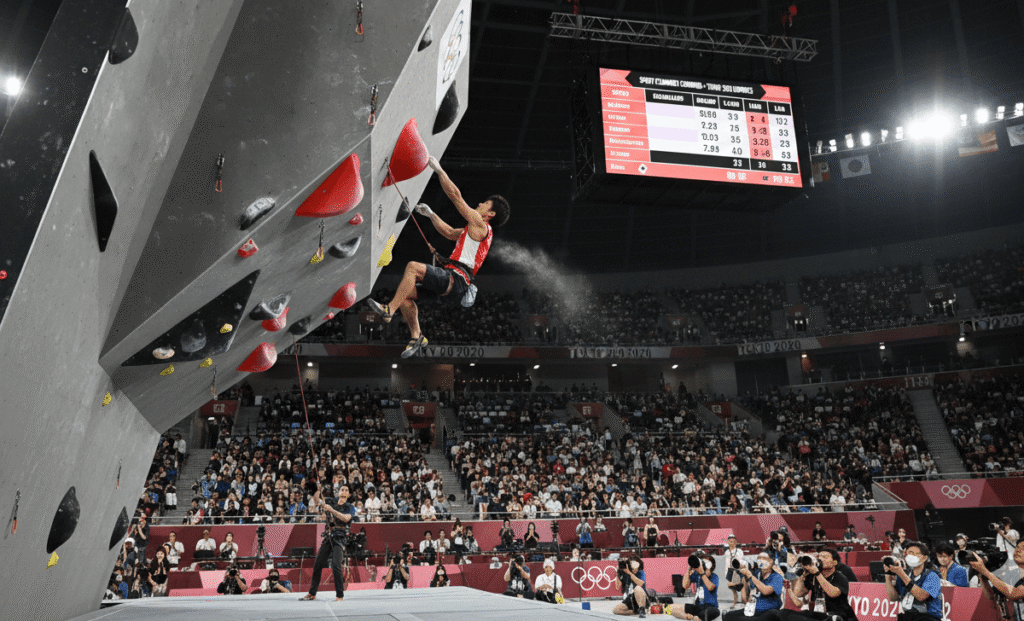
Sport climbing made its dazzling debut at the Tokyo 2020 Olympics, captivating audiences with its blend of athleticism, strategy, and sheer thrill. The “sport climbing combined Olympics” format, a unique triathlon of climbing disciplines—speed, bouldering, and lead—has become a global phenomenon. Whether you’re a climbing enthusiast or a curious newcomer, this guide dives into the origins, rules, controversies, and cultural impact of the combined format in the Olympics. Why does it matter? And what makes it so addictive to watch? Let’s explore.
What Is Sport Climbing Combined in the Olympics?
Sport climbing in the Olympics is a multi-discipline event that tests climbers’ versatility across three formats: speed climbing, bouldering, and lead climbing. The combined event requires athletes to compete in all three, with their scores multiplied to determine the final ranking. Introduced at Tokyo 2020 and refined for Paris 2024, this format showcases the diverse skills needed to excel in modern climbing.
The Three Disciplines
- Speed Climbing
- Athletes race up a standardized 15-meter wall with a 5-degree overhang.
- Fastest time wins, often in under 6 seconds for men and 7 seconds for women.
- Think of it as the 100-meter sprint of climbing—pure explosiveness.
- Bouldering
- Climbers tackle short, complex routes (4–5 meters) without ropes.
- They have a set time (usually 4 minutes) to solve multiple “problems” (routes).
- Scoring is based on reaching key holds and completing routes.
- Lead Climbing
- Athletes climb a 15-meter-plus wall with ropes, aiming to reach the highest point within 6 minutes.
- Scoring rewards the highest hold reached, with partial points for intermediate holds.
- It’s a test of endurance, technique, and mental fortitude.
Scoring in the Combined Format
- Tokyo 2020: Athletes’ rankings in each discipline (e.g., 1st, 2nd, 3rd) were multiplied (e.g., 2 x 3 x 4 = 24 points). The lowest score won.
- Paris 2024 Update: A points-based system replaced the multiplication method. Athletes earn points for each discipline (up to 100 per event), and the highest total score wins. This change addressed controversies over the old system favoring specialists.
History and Evolution of Olympic Sport Climbing
Origins of Sport Climbing
Sport climbing emerged in the 1980s as a safer alternative to traditional climbing, using fixed bolts and ropes. Competitions grew in popularity through events like the World Climbing Championships, organized by the International Federation of Sport Climbing (IFSC).
Path to the Olympics
- 1980s–1990s: Sport climbing gained traction in Europe, with France and Italy leading competitive events.
- 2007: The IFSC was recognized by the International Olympic Committee (IOC).
- 2016: The IOC approved sport climbing for Tokyo 2020, choosing the combined format to showcase versatility.
- 2020 (held in 2021): Sport climbing debuted, with Japan’s Miho Nonaka and Tomoa Narasaki among the stars.
- 2024: Paris refined the format, splitting speed climbing into a separate event while keeping bouldering and lead combined.
Why the Combined Format?
The IOC opted for the combined format to highlight climbing’s diversity and attract a broader audience. However, it sparked debate among climbers, many of whom specialize in one discipline.
Controversies and Debates
The Combined Format Controversy
- Specialization vs. Versatility: Many climbers excel in one discipline (e.g., speed) but struggle in others, making the combined format divisive. Critics argued the Tokyo scoring system penalized specialists.
- Paris 2024 Changes: Splitting speed climbing into a separate event addressed some concerns, but purists still debate whether bouldering and lead should be combined.
- Fan Reactions: Posts on X reflect mixed sentiments, with some fans loving the all-around challenge and others wanting discipline-specific medals.
Gender Dynamics
- Women’s climbing has gained significant attention, with stars like Janja Garnbret (Slovenia) dominating. However, some argue the sport’s Olympic coverage focuses too heavily on male athletes.
Accessibility and Cost
- Climbing gyms are expensive, and access to quality training facilities varies globally, raising questions about the sport’s inclusivity in the Olympics.
Cultural Impact of Sport Climbing in the Olympics
Sport climbing’s Olympic inclusion has transformed it from a niche activity to a global spectacle. Here’s why it resonates:
- Youth Appeal: The sport’s dynamic visuals and fast-paced action make it a hit on platforms like TikTok and Instagram.
- Diversity: Athletes from Japan, Slovenia, and the U.S. dominate, but emerging nations like Indonesia (thanks to speed climbing) are gaining traction.
- Lifestyle Influence: Climbing gyms are booming, with urban millennials flocking to bouldering centers. Brands like Patagonia and The North Face sponsor athletes, blending sport with lifestyle.
- Mental Health Narrative: Climbing emphasizes problem-solving and resilience, resonating with modern audiences seeking mindfulness through physical activity.
Timeline of Sport Climbing in the Olympics
| Year | Event | Key Developments |
|---|---|---|
| 1985 | First sport climbing competitions | Competitions formalized in Europe. |
| 2007 | IFSC IOC recognition | Sport climbing gains Olympic eligibility. |
| 2016 | Tokyo 2020 inclusion | Combined format announced. |
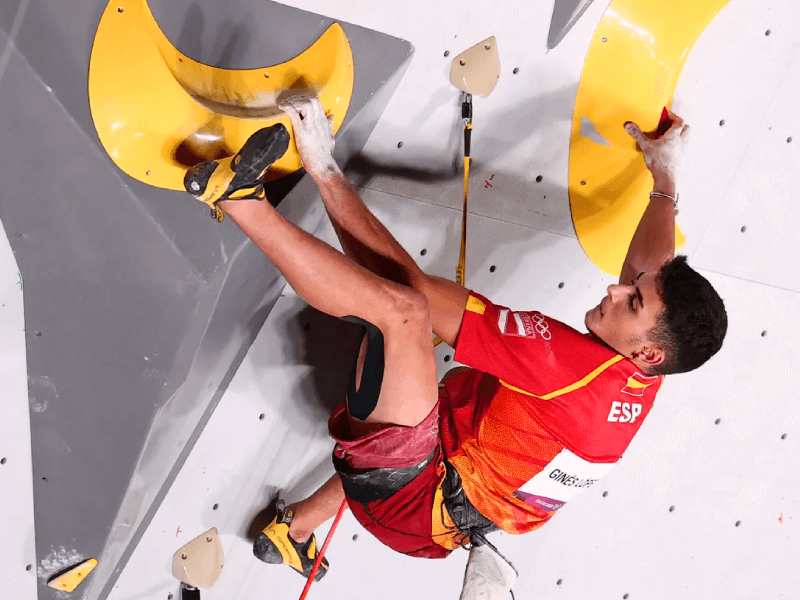
| 2021 | Tokyo Olympics | First medals awarded; Janja Garnbret and Alberto Ginés López win gold. |
| 2024 | Paris Olympics | Speed climbing separated; new scoring system introduced. |
FAQs About Sport Climbing Combined Olympics
What is the sport climbing combined format in the Olympics?
It’s a multi-discipline event combining speed, bouldering, and lead climbing (though speed was separated in 2024). Athletes’ scores determine their ranking.
Why was the scoring system changed for Paris 2024?
The Tokyo 2020 multiplication system favored all-rounders, penalizing specialists. Paris 2024 uses a points-based system for fairer results.
Who are the top athletes to watch?
- Janja Garnbret (Slovenia): Dominant in bouldering and lead.
- Tomoa Narasaki (Japan): Excels in bouldering.
- Vedrick Leonardo (Indonesia): Speed climbing star.
How can I start sport climbing?
Visit a local climbing gym, start with bouldering, and invest in basic gear like climbing shoes and chalk. Many gyms offer beginner classes.
Why is sport climbing so popular now?
Its Olympic debut, social media visibility, and accessibility in urban gyms have boosted its global appeal.
How to Watch and Follow Sport Climbing in the Olympics
- Where to Watch: Olympic broadcasts on NBC, BBC, or Eurosport, with highlights on YouTube and TikTok.
- Follow on X: Search #SportClimbing or follow @IFSC for live updates and athlete profiles.
- Upcoming Events: The 2028 Los Angeles Olympics will likely expand climbing’s presence.
Conclusion
Sport climbing’s combined format in the Olympics has redefined the sport, blending raw athleticism with strategic depth. From its controversial scoring to its cultural rise, it’s a sport that captivates and inspires. Whether you’re watching Janja Garnbret crush a boulder problem or cheering for an underdog in speed climbing, the Olympics have made sport climbing a must-watch event. Stay tuned for 2028, and try a climbing gym near you to join the movement! Stay in touch with Glamezy.co.uk for more instresting blogs.
