

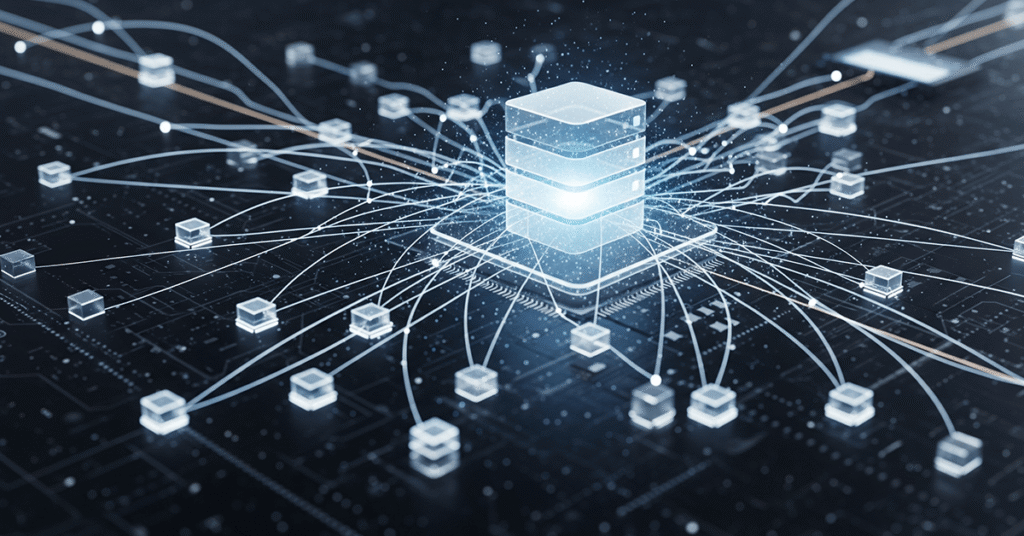
In today’s rapidly evolving technological landscape, businesses and industries are increasingly relying on real-time data processing to drive decisions and operations. With the rise of the Internet of Things (IoT), smart devices, and the need for reduced latency, edge computing has become essential. Within this paradigm, Edge Databases are emerging as the next frontier in data storage and management, enabling efficient, scalable, and low-latency solutions.
In this article, we’ll explore what Edge Databases are, how they function, their advantages, and why they are poised to become an integral part of the data landscape. We’ll also compare edge databases with traditional database solutions, discuss performance metrics, security challenges, and how they fit into the broader edge computing ecosystem.
What is an Edge Database?
An Edge Database refers to a distributed database that is specifically designed to operate on edge devices or in decentralized environments. Unlike traditional databases that rely on central servers or cloud storage, edge databases process data closer to its source—at the “edge” of the network, near the end-user or device.
Key Features of Edge Databases:
- Low Latency: Edge databases process data locally, reducing the time it takes for data to travel to a central server. This enables real-time processing of data, which is critical for applications like IoT, autonomous vehicles, and industrial automation.
- Scalability: Edge databases are designed to scale across multiple devices and locations, enabling them to handle large volumes of data generated by IoT devices or other decentralized sources.
- Offline Capabilities: Since edge databases work locally, they can continue to operate even when the network connection is intermittent or lost, making them ideal for remote or mobile applications.
- Decentralized Architecture: Edge databases leverage a decentralized approach to data storage, allowing for distributed computing and reducing the reliance on centralized servers or cloud infrastructure.
Why Edge Databases are Crucial?
- Real-Time Data Processing: With the growing need for immediate insights from data, traditional databases can struggle with latency. Edge databases provide a solution by processing data where it’s generated.
- IoT and Smart Devices: Edge databases are particularly useful in IoT applications where devices generate vast amounts of data. Processing this data locally at the edge helps reduce bandwidth consumption and storage costs in central systems.
- Data Sovereignty and Compliance: By storing data locally, edge databases can ensure compliance with data sovereignty laws, as sensitive data may be required to stay within certain geographical boundaries.
Edge Database vs. Traditional Databases
Understanding the differences between edge databases and traditional databases is essential when deciding which solution best fits your needs. Let’s break down some of the key distinctions:
1. Latency
- Edge Databases: Process data on-site, often within milliseconds, which is critical for time-sensitive applications.
- Traditional Databases: Relies on cloud or centralized servers, which can introduce delays due to the distance the data needs to travel to the server.
2. Scalability
- Edge Databases: Designed to scale across multiple distributed devices and nodes. As the number of connected devices grows, edge databases can handle additional data processing seamlessly.
- Traditional Databases: Scaling a centralized system often requires significant infrastructure investment. Cloud solutions help, but they may still introduce bottlenecks depending on the application.
3. Connectivity Requirements
- Edge Databases: Operate efficiently in environments with intermittent or low network connectivity, continuing to process data even when disconnected from the central system.
- Traditional Databases: Typically require a constant network connection to sync and process data, which can be a limitation for mobile or remote applications.
4. Data Processing Location
- Edge Databases: Perform data processing at the point of generation, reducing the need for constant data transfer to centralized servers.
- Traditional Databases: Centralized databases process data in one location, which can create challenges in terms of latency, data transfer costs, and network traffic.
5. Security
- Edge Databases: Data is stored locally, which helps ensure compliance with privacy regulations, but it also creates challenges in terms of securing distributed networks and devices.
- Traditional Databases: Centralized systems allow for easier implementation of security protocols but may require additional measures to secure data transmission and prevent breaches across multiple nodes.
Benefits of Edge Databases
Edge databases offer several significant benefits, particularly when it comes to performance, cost savings, and flexibility.
1. Reduced Latency and Faster Decision Making
Edge databases process data on-site, allowing businesses to make real-time decisions without waiting for data to travel to a central server. This is especially critical for applications in autonomous vehicles, smart cities, and healthcare, where seconds matter.
2. Scalability
Edge databases are inherently scalable, as they can easily handle vast amounts of data generated by thousands or even millions of devices in decentralized environments. The ability to scale horizontally makes edge databases ideal for large, distributed systems.
3. Improved Reliability
By enabling local data processing, edge databases reduce reliance on network connectivity. This ensures that applications can continue to function even in the event of network failures or intermittent connections.
4. Cost Efficiency
Edge databases can reduce costs associated with bandwidth and cloud storage. By processing data locally, businesses can minimize the need for large-scale data transfers, saving on network costs and cloud storage fees.
5. Security and Compliance
Edge databases help companies comply with data sovereignty regulations by ensuring that sensitive data remains within a specific geographic region. Additionally, the decentralized nature of edge databases can reduce the risk of data breaches associated with centralized cloud systems.
Challenges of Edge Databases
While edge databases offer many benefits, they also come with their own set of challenges.
1. Data Consistency
In a distributed environment, maintaining data consistency across multiple edge nodes can be challenging. Techniques like eventual consistency and distributed consensus algorithms are used to ensure data integrity.
2. Security Risks
Securing data in decentralized systems is more complex than in centralized cloud systems. Ensuring secure data transmission, access control, and protecting against attacks on edge devices requires robust security measures.
3. Management Complexity
Managing a network of edge devices and databases can be complex, requiring sophisticated tools for monitoring, updating, and troubleshooting systems across a distributed infrastructure.
4. Limited Computing Power
Edge devices often have limited computing resources, which can pose challenges for running complex database operations. However, this is mitigated by modern edge databases that are optimized for low-power, resource-constrained environments.
Edge Databases in the Real World
1. IoT Applications
In the realm of Internet of Things (IoT), edge databases are vital for managing the massive amounts of data generated by sensors, wearables, and connected devices. Edge computing enables real-time processing, allowing IoT applications to operate efficiently even in remote locations with limited connectivity.
2. Autonomous Vehicles
Autonomous vehicles rely on real-time data processing for decision-making. Edge databases allow cars to process sensor data locally, enabling quick responses to environmental changes, such as adjusting speed or avoiding obstacles.
3. Smart Cities
Edge databases are crucial for managing the infrastructure of smart cities, where devices like traffic lights, environmental sensors, and surveillance cameras generate large volumes of data. Local data processing ensures quick responses to traffic congestion or emergency situations.
4. Healthcare
In healthcare, edge databases enable real-time monitoring of patient vitals and medical devices. By processing data locally, healthcare providers can make faster decisions, improving patient outcomes and reducing the need for data transfer.
How to Implement an Edge Database
1. Choose the Right Database Solution
Choosing the right edge database depends on your specific use case. For example, if you are dealing with IoT data, you may choose a database optimized for high-write throughput and low-latency performance. Some popular edge databases include EdgeDB, FaunaDB, and Couchbase Mobile.
2. Integrate with Edge Devices
Edge databases need to be deployed on edge devices, which could be anything from a Raspberry Pi to industrial IoT gateways. These devices must be capable of handling local data processing and storage.
3. Set Up Synchronization with Centralized Systems
In most cases, edge databases need to sync with centralized systems periodically to ensure data consistency. Choose a synchronization model (e.g., eventual consistency) that suits your needs.
4. Implement Robust Security Protocols
Due to the decentralized nature of edge databases, securing both the devices and the network is critical. Use encryption, access control mechanisms, and other security protocols to protect sensitive data.
Future of Edge Databases
The future of edge databases looks promising. As technologies like 5G and AI continue to advance, the demand for edge computing and local data processing will only grow. In the next decade, edge databases will likely play a central role in everything from autonomous vehicles to next-generation IoT applications, smart cities, and beyond.
Conclusion
Edge databases are transforming how we think about data storage and processing. By reducing latency, increasing scalability, and enabling real-time decision-making, they are becoming a key technology in industries like IoT, autonomous vehicles, and smart cities. While there are challenges, such as data consistency and security, the benefits of edge databases make them an essential tool for the next generation of distributed computing.
As we move forward, understanding the unique advantages and challenges of edge databases will be crucial for businesses looking to stay competitive in the digital age. With the right implementation, edge databases can unlock new opportunities for innovation and efficiency across a wide range of industries.
