

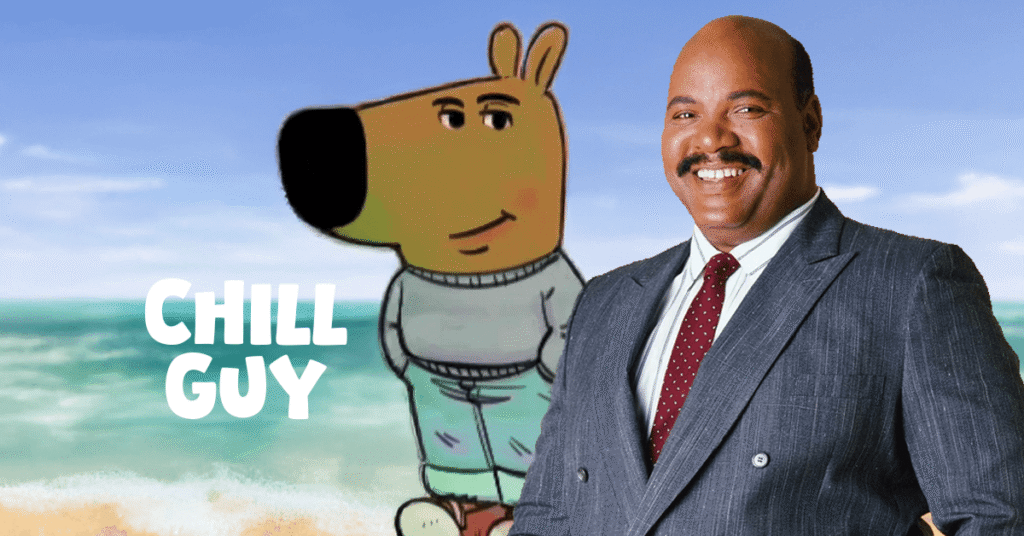
The “chill guy meme” — an image of a casually dressed, anthropomorphic dog captioned “I’m just a chill guy” — exploded into a global social media moment in late 2024. It became a wholesome micro-meme, a soundtrack meme, a merch phenomenon, and unexpectedly the mascot for a runaway memecoin before the artwork’s creator asserted copyright and pushed back. The saga shows how a simple drawing can balloon into a cultural and legal story almost overnight.
Who made the Chill Guy artwork?
The image most people now call “Chill Guy” was created by digital artist Phillip Banks (also known online as philb or PhilBBankss). He first shared the character in 2023 — a relaxed, vaguely humanoid dog in a sweater and jeans — with the caption “I’m just a chill guy.” Banks later publicly stated he had copyrighted the artwork and would seek takedowns for unauthorized commercial uses.
Timeline — how the Chill Guy meme went viral
- Oct 2023 — First posts: Phillip Banks posts the original art to social platforms; it receives modest attention.
- Nov 2024 — Viral spike: The image spreads rapidly on TikTok, paired with mellow music loops, with the caption “I’m just a chill guy” becoming the template.
- Late Nov 2024 — Commercialization & memecoin launches: Crypto projects use the artwork as a mascot for tokens labeled $CHILLGUY, driving huge market caps.
- Creator pushback: Banks announces copyright registration and plans takedowns against unauthorized commercial use, especially coins and merchandise.
This combination of organic virality and tokenization created a boom–and-bust arc within weeks.
The memecoin episode — what happened and why it matters
When a memecoin used Chill Guy imagery as branding, the token’s market cap surged into the hundreds of millions. But the project’s reliance on an image it did not own created legal risk. Once the artist asserted copyright and warned of takedowns, confidence collapsed and the token’s value plummeted. The episode highlighted how viral art can be exploited by opportunistic crypto projects — and how creators can still push back.
Copyright & creator rights
Phillip Banks announced he had copyrighted the character and intended to issue takedown notices for unauthorized commercial use. His stance reflected a common approach among creators:
- Non-commercial fan remixes are often tolerated.
- Commercial exploitation (coins, merch) crosses a line.
- Copyright exists automatically upon creation, but registration strengthens enforcement.
- Global enforcement is challenging, but public statements and takedowns can still be effective.
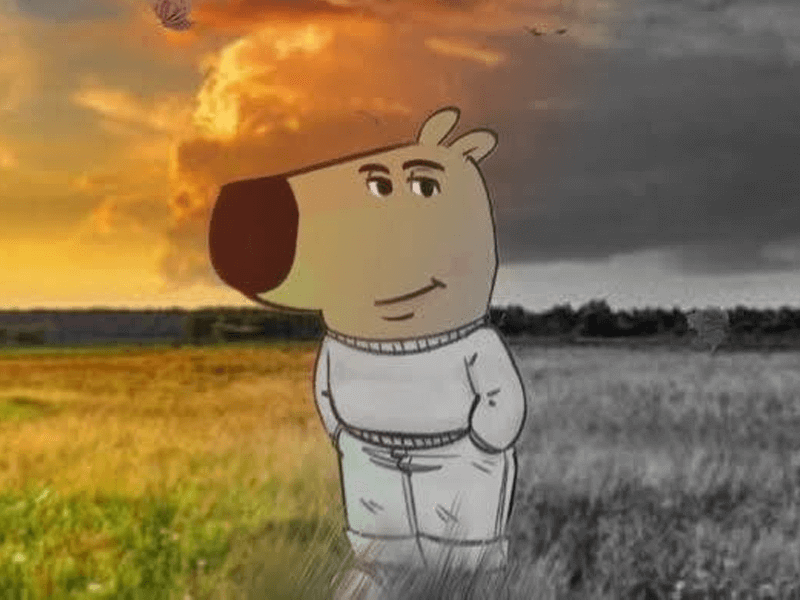
What the meme means culturally
“Chill Guy” resonated for several reasons:
- Tone: A calm, low-stakes energy that felt relatable.
- Relatability: A universal identity — being “just a chill guy.”
- Simplicity: Easy to crop, animate, or remix.
- Algorithmic fit: Short, pleasant, repeatable format perfect for TikTok and Instagram Reels.
The meme was soon ranked among the year’s most recognizable internet moments.
Creator story & reaction
Banks emphasized two main points:
- Recognition & credit — asking people to credit the art when sharing.
- Commercial control — warning against unauthorized profiteering through merch and tokens.
This approach reflects the balance many artists try to strike: encouraging organic cultural spread while protecting their livelihood.
Variations & remixes
The Chill Guy image was repurposed in multiple ways:
- Mood posts: The “I’m just a chill guy” video meme with piano loops.
- Reaction edits: Variations with sarcastic captions or alternate music.
- Merchandise: T-shirts, stickers, and plush toys, some official and others unauthorized.
- Music crossovers: Chill Guy videos boosted tracks like Gia Margaret’s “Hinoki Wood.”
From meme to brand to backlash
Chill Guy’s journey illustrates a familiar cycle:
- Creation →
- Viral spread →
- Platform amplification →
- Commercial opportunism →
- Creator pushback.
This raised questions: Who should profit from viral art? The creator? Opportunistic token developers? The community? The Chill Guy saga shows how artists can reclaim authority over their work, even after it becomes a meme.
Global spread
The meme quickly crossed borders:
- Translated captions in Spanish, Portuguese, Hindi, and other languages.
- Localized parodies tied to sports and politics.
- Merch events and pop-ups in major cities.
Lessons for creators & brands
- Creators: Protect your work with copyright and be clear about what’s allowed.
- Brands: Avoid exploiting viral art without permission — legal and PR risks are high.
- Communities: Respect creators and understand the difference between fun remixing and for-profit exploitation.
Quick Timeline
- Oct 2023 — Artwork first posted.
- Nov 2024 — Meme goes viral on TikTok.
- Nov 2024 — Memecoin launch and market surge.
- Late Nov 2024 — Creator asserts copyright and issues takedown warnings.
- Dec 2024 onward — Coverage highlights both cultural and legal dimensions.
FAQ
Q: What is the Chill Guy meme?
A: A meme featuring a relaxed dog-like character captioned “I’m just a chill guy,” used to express calm or low-key vibes.
Q: Who created Chill Guy?
A: Digital artist Phillip Banks, also known as philb or PhilBBankss.
Q: Did Chill Guy become a cryptocurrency?
A: Yes, a memecoin used the artwork, briefly reaching a huge market cap before collapsing after copyright enforcement.
Q: Can I use Chill Guy in my memes?
A: Non-commercial fan uses are generally tolerated, but commercial exploitation risks takedowns.
Q: Why did the creator issue takedowns?
A: To stop unauthorized profiting from his artwork, especially coins and merchandise.
Final Notes
The Chill Guy meme highlights how a simple drawing can become a worldwide cultural event, but also a cautionary tale about intellectual property in the age of viral internet culture.
